Should You Travel With a Tour Group or Go Independent?
When planning a trip, one of the biggest decisions you’ll make is whether to join a guided tour or go on your own. Some travelers thrive on structure, while others crave the freedom of independent exploration. Both options have their strengths, but knowing which fits you best can make or break your travel experience. In 2026, with more flexible travel options than ever, the question of group travel vs solo travel is worth a closer look.
Whether you love meeting new people or prefer discovering places at your own pace, understanding the benefits and drawbacks of each will help you choose wisely. Let’s dive into what makes group travel vs solo travel unique and which might be the perfect fit for your next adventure.
The Basics of Group Travel
Group travel usually involves joining an organized tour with a set itinerary, transportation, accommodations, and activities arranged in advance. This type of travel is ideal for people who prefer convenience and structure. You simply show up, enjoy the experience, and let someone else handle the details.
The best part of group travel is the sense of community it offers. You’re surrounded by like-minded travelers who share your interests, whether it’s food, history, or nature. Tour guides provide insider knowledge and make sure everything runs smoothly. This makes group travel a great choice for first-time travelers or those visiting unfamiliar destinations.
Many people find that group travel reduces stress and eliminates the guesswork that can come with planning a trip alone. It’s also a great option for safety-conscious travelers since guides are familiar with local customs and potential risks.
The Freedom of Solo Travel
Solo travel, on the other hand, offers unmatched independence. You decide where to go, how long to stay, and what to see. There’s no need to compromise or wait for others. For many people, this is the most appealing aspect of group travel vs solo travel.
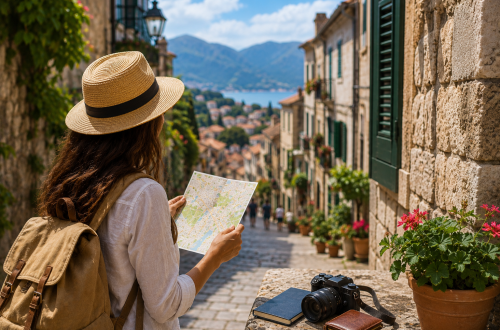
When traveling alone, you move at your own rhythm. You can spend hours wandering through art galleries, linger in a quiet café, or change your plans on a whim. This level of flexibility helps solo travelers connect deeply with their surroundings and discover hidden gems that group tours might skip.
Solo travel also promotes self-growth and confidence. Navigating new places, making decisions, and handling challenges on your own teaches resilience and independence. For more insights on how to make solo adventures memorable, you can explore traveling solo top tips to help with planning.
Pros of Group Travel
When comparing group travel vs solo travel, there are undeniable advantages to joining a tour. For one, it’s time-efficient. Tour companies handle logistics such as tickets, transport, and accommodations, saving you from the stress of coordinating every detail.
Group travel also gives you access to experiences that might be hard to arrange independently. Some tours offer private access to landmarks, local guides, or cultural experiences like cooking classes or traditional performances. This inside access often adds depth and authenticity to the trip.
Another perk of group travel is social connection. You’ll meet people from around the world and often form lasting friendships. Shared experiences, like watching a sunset on a safari or exploring ancient ruins, create bonds that can last long after the trip ends.
Pros of Solo Travel
The biggest draw of solo travel is freedom. You call the shots from start to finish. When looking at group travel vs solo travel, independence is where solo travel truly shines. You can customize your itinerary based on your interests without compromise.
Solo travelers also tend to spend more time connecting with locals. Without the comfort of a group, you’re more likely to strike up conversations, seek local recommendations, and dive deeper into cultural experiences. This openness often leads to more authentic and rewarding moments.
Financial flexibility is another advantage. You can choose where to splurge and where to save, adjusting your budget on the go. For example, staying in hostels one week and luxury hotels the next is easier when you’re solo. To make budgeting easier, check out travel budgeting tips to help ease your stress.
Cons of Group Travel
While group travel can be convenient, it has its downsides. The biggest drawback is lack of flexibility. Itineraries are fixed, and you often have limited time at each stop. If you want to spend an extra hour exploring a market or skip a scheduled activity, that’s usually not possible.
Group dynamics can also be tricky. You might not always connect with your fellow travelers, and differences in personalities or interests can create tension. Additionally, group travel can feel rushed, leaving less time for personal reflection or spontaneous discovery.
Cost is another consideration. Guided tours often include markups for organization and comfort, meaning you might pay more than if you planned the same trip independently.
Cons of Solo Travel
When weighing group travel vs solo travel, independence comes at a price. Traveling alone can be more expensive, especially if you’re booking single accommodations or private tours. Without a travel partner, you also handle all planning, transportation, and decision-making yourself.
Safety is another concern, especially for solo travelers in unfamiliar regions. Staying alert, avoiding risky areas, and researching destinations ahead of time are essential for peace of mind. For female travelers, understanding solo female travel safety can help make journeys more secure and enjoyable.
Finally, loneliness can occasionally set in. While solo travel is freeing, some moments—like sharing a meal or watching a sunset—feel more special with company. Fortunately, today’s technology makes it easy to stay connected with friends and family while on the road.
Which Is Right for You?
Choosing between group travel vs solo travel depends on your personality, goals, and travel style. If you value structure, social interaction, and expert guidance, a group tour may suit you best. It’s especially great for destinations where language barriers or logistics can be challenging.
If you thrive on independence, creativity, and self-discovery, solo travel might be your perfect match. It allows you to dive deeper into local life and experience complete freedom. Many travelers find that mixing both styles—joining short group tours within a longer solo trip—creates the perfect balance.
You can also consider hybrid options, like small-group adventures that combine guided experiences with free time. This approach offers the best of both worlds: connection and independence.
Choosing Your Own Path
Ultimately, group travel vs solo travel isn’t about which is better—it’s about which is right for you at this moment in your journey. Both options can offer unforgettable memories if approached with the right mindset.
If you crave connection, a tour group can surround you with energy and shared excitement. If you seek reflection and self-growth, solo travel lets you move freely and truly experience the world on your own terms.
What matters most is saying yes to adventure. Whether you’re following a guide through ancient ruins or wandering a quiet village alone, every journey has something to teach you. So choose the path that inspires you, pack your curiosity, and remember that the world welcomes both explorers and dreamers. In the end, the choice between group travel vs solo travel is less about the style—and more about the stories you’ll create along the way.


You May Also Like

Best 6 Family Vacation Options in the USA for February

Luxury Travel Is Overrated – What Family Budget Trips Taught Me