10 Best Things to Do in Iceland for First-Time Visitors
Iceland is one of those destinations where the scenery can change completely within a short drive. One minute, you are surrounded by green mountains and waterfalls. The next, you are looking across black volcanic fields, steaming geothermal pools, or enormous glaciers. It is a country filled with natural wonders, and even a short visit can introduce you to landscapes unlike anywhere else in Europe.
Located in the North Atlantic, Iceland is known for its volcanic activity, dramatic coastlines, geothermal hot springs, and incredible opportunities to explore the outdoors. Although the country has a relatively small population, there is no shortage of attractions, from the colorful streets of Reykjavík to the remote fishing villages of the East Fjords.
Whether you are planning a summer road trip or hoping to see the northern lights during winter, these 10 best things to do in Iceland deserve a place on your itinerary.
1. Visit Iceland’s Most Beautiful Waterfalls
Iceland is home to thousands of waterfalls, and some of the most impressive are surprisingly easy to reach. Thanks to the country’s glaciers, rivers, and mountainous terrain, waterfalls appear throughout the landscape, ranging from powerful cascades to narrow streams tumbling over rocky cliffs.
One of the most popular is Seljalandsfoss, located along Iceland’s South Coast. This waterfall drops approximately 60 meters, and a walking path allows visitors to pass behind the falling water when conditions permit. Be prepared to get wet, even if you only plan to stop for photographs.
Another favorite is Skógafoss, a massive waterfall measuring approximately 25 meters wide. Visitors can admire it from the ground or climb the staircase beside the falls for views of the surrounding countryside. On sunny days, rainbows frequently appear in the mist.
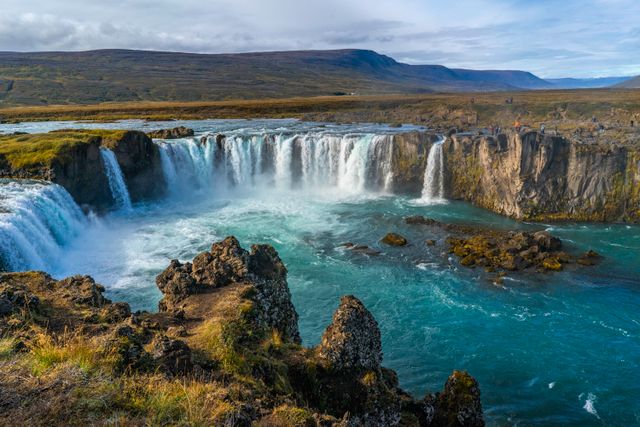
If you have time to explore farther north, Goðafoss is another beautiful stop, known for its horseshoe-shaped cascade and fascinating connection to Icelandic history.
Things to do:
- Walk behind Seljalandsfoss when the trail is open and safe.
- Photograph Skógafoss from the base of the waterfall.
- Climb the Skógafoss viewing staircase.
- Visit Goðafoss while exploring northern Iceland.
Travel tip: Waterproof clothing and shoes with good traction are helpful around Iceland’s waterfalls. Paths can become slippery, particularly during colder months.
2. Drive the Famous Golden Circle
The Golden Circle is one of Iceland’s most popular sightseeing routes and an excellent introduction to the country’s geology and history. The classic route covers approximately 300 kilometers round-trip from Reykjavík, making it possible to visit several major attractions in one day.
The first major stop is Þingvellir National Park, a UNESCO World Heritage Site where Iceland’s parliament was established in 930. The park also sits within a rift valley associated with the boundary between the North American and Eurasian tectonic plates. Visitors can walk through the dramatic Almannagjá gorge and explore the surrounding trails.
Next is the Geysir Geothermal Area, where steaming pools and bubbling water reveal the volcanic activity beneath Iceland’s surface. Although the Great Geysir rarely erupts today, nearby Strokkur regularly shoots hot water into the air.
The final major attraction is Gullfoss, a powerful waterfall that plunges into a rugged canyon in two stages. Several viewing areas offer different perspectives of the falls.
Things to do:
- Walk through Almannagjá at Þingvellir National Park.
- Watch Strokkur erupt at the Geysir Geothermal Area.
- Explore the viewing platforms at Gullfoss.
- Stop at Kerið volcanic crater as an additional attraction along the route.
Travel tip: Allow at least six to eight hours for the Golden Circle, including driving and sightseeing. Winter road conditions can increase travel times.
3. Relax in the Blue Lagoon
After spending time exploring Iceland’s rugged landscapes, soaking in warm geothermal water can be a wonderful way to unwind. The Blue Lagoon, located on the Reykjanes Peninsula near Keflavík International Airport, is one of the country’s best-known attractions.
Its milky-blue water stands out against the surrounding dark volcanic rock. The lagoon’s geothermal seawater contains minerals and silica, which contribute to its distinctive appearance.
Visitors can enjoy warm bathing areas, silica mud masks, and spa facilities. The experience is particularly memorable during colder weather, when steam rises above the water and the surrounding lava fields create a dramatic backdrop.
The Blue Lagoon is popular with travelers arriving in or departing from Iceland because of its location near the international airport. However, it is worth checking operating conditions before planning your visit, as volcanic activity on the Reykjanes Peninsula has occasionally affected access.
Things to do:
- Soak in the lagoon’s warm geothermal water.
- Enjoy a silica mud mask.
- Explore the surrounding volcanic scenery.
- Book a spa treatment for an additional relaxing experience.
Travel tip: Reserve admission in advance, especially during the summer. Check the official Blue Lagoon website for current opening information, prices, and access updates.
4. Explore Reykjavík, Iceland’s Capital
Although Iceland is famous for its natural attractions, its capital city deserves time on your itinerary. Reykjavík combines colorful buildings, interesting museums, independent shops, and a growing food scene with views of the surrounding mountains and ocean.
One of the city’s most recognizable landmarks is Hallgrímskirkja, a striking church inspired by Iceland’s natural basalt formations. Visitors can take an elevator to the observation tower for panoramic views of the city.
Another architectural highlight is Harpa Concert Hall, located along the waterfront. Its geometric glass exterior reflects the changing light and weather, making it a popular photography location.
For a more relaxed afternoon, explore Laugavegur, one of Reykjavík’s main shopping streets. Here, you will find cafés, restaurants, souvenir shops, and colorful street art. The nearby Old Harbour is another enjoyable area to explore, particularly if you are interested in whale-watching excursions.
Things to do:
- Visit Hallgrímskirkja and its observation tower.
- Admire the architecture of Harpa Concert Hall.
- Walk along Laugavegur and explore local shops.
- Visit the Sun Voyager sculpture along the waterfront.
Travel tip: Reykjavík is relatively compact, making many central attractions easy to explore on foot. Plan at least one full day to experience the city without rushing.
5. Take a Guided Glacier Hike
Glaciers cover a significant portion of Iceland, and exploring one on foot is an unforgettable experience. These enormous masses of ice have shaped the country’s valleys, mountains, and coastlines over thousands of years.
Vatnajökull, Iceland’s largest glacier, is one of the most popular places for guided glacier adventures. Its outlet glaciers feature deep crevasses, ridges of blue ice, and constantly changing formations.
Many glacier tours depart from areas near Skaftafell or Sólheimajökull on the South Coast. Depending on the excursion, visitors may spend several hours walking across the ice while learning about glacier formation, movement, and the effects of climate change.
Guides typically provide specialized equipment, including helmets, crampons, and ice axes when required. Beginner-friendly tours are available, although participants should still be comfortable walking on uneven terrain.
Things to do:
- Join a guided hike on an accessible outlet glacier.
- Photograph blue ice formations and deep crevasses from safe locations.
- Learn how Iceland’s glaciers are changing.
- Explore nearby hiking trails in the Skaftafell area.
Travel tip: Never attempt to walk onto a glacier without a qualified guide and proper equipment. Glacier conditions can change rapidly, and hidden crevasses present serious hazards.
6. Watch the Northern Lights
Seeing the northern lights is one of the biggest reasons travelers visit Iceland during the colder months. Also known as the aurora borealis, these colorful displays occur when charged particles from the sun interact with gases in Earth’s atmosphere.
The lights may appear as green ribbons, moving curtains, or occasional shades of purple and pink across the night sky. However, sightings depend on solar activity, cloud cover, darkness, and local conditions.
In Iceland, the northern lights are generally visible from approximately late August through April when nights are sufficiently dark. The winter months offer longer periods of darkness, although cloudy weather can still prevent sightings.
You do not necessarily need to travel far from Reykjavík to see them. However, locations away from artificial lighting usually provide better viewing conditions. Þingvellir National Park and quieter stretches of the South Coast are popular choices when roads and weather permit.
Things to do:
- Join a guided northern lights tour from Reykjavík.
- Visit a dark-sky location outside the city.
- Photograph the aurora using a tripod and suitable camera settings.
- Check the Icelandic weather forecast before heading out.
Travel tip: Plan several nights in Iceland if seeing the northern lights is a priority. Check the Icelandic Meteorological Office for aurora forecasts and cloud-cover information. No tour can guarantee a sighting.
7. Discover Jökulsárlón Glacier Lagoon and Diamond Beach
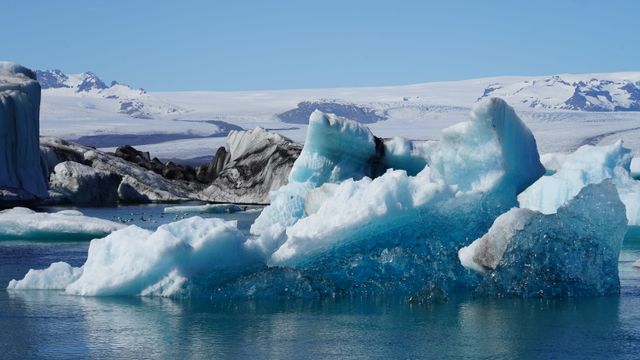
Located in southeastern Iceland, Jökulsárlón Glacier Lagoon is one of the country’s most remarkable natural attractions. The lagoon is filled with icebergs that break away from Breiðamerkurjökull, an outlet glacier of Vatnajökull.
These enormous pieces of ice slowly drift through the lagoon, creating an ever-changing landscape of white and blue formations. Some icebergs eventually travel through a short channel toward the Atlantic Ocean.
Just across the road is Diamond Beach, where pieces of glacier ice wash onto black volcanic sand. The contrast between the dark beach and transparent ice creates an incredible setting for photography.
During the warmer months, visitors may also be able to join guided boat tours through the lagoon. Seals are occasionally spotted swimming among the icebergs or resting on floating ice.
Things to do:
- Walk along the shoreline of Jökulsárlón Glacier Lagoon.
- Photograph ice formations at Diamond Beach.
- Join a seasonal amphibian boat or Zodiac excursion.
- Watch for seals in the lagoon.
Travel tip: Jökulsárlón is approximately five hours from Reykjavík by car under favorable conditions. Consider staying overnight along the South Coast rather than rushing through a long round-trip drive. Stay away from the water’s edge at Diamond Beach, where powerful waves can be dangerous.
8. Take a Scenic Drive Through the East Fjords
Travelers looking for a quieter side of Iceland should consider exploring the East Fjords, a region known for steep mountains, winding coastal roads, and small fishing communities.
Unlike the busy Golden Circle and South Coast, eastern Iceland often feels more remote. The roads follow deep fjords, passing colorful villages, rocky shorelines, and viewpoints overlooking the North Atlantic.
One of the most charming places to visit is Seyðisfjörður, a small town surrounded by mountains. Its colorful wooden buildings, creative atmosphere, and famous rainbow-painted street make it a popular stop.
Another interesting destination is Djúpivogur, a coastal village known for its peaceful harbor and outdoor sculpture installation featuring large stone eggs representing local bird species.
The East Fjords are also one of the few regions in Iceland where travelers may encounter wild reindeer, although sightings are never guaranteed.
Things to do:
- Explore the colorful streets of Seyðisfjörður.
- Visit the harbor and outdoor sculptures in Djúpivogur.
- Stop at scenic viewpoints along the coastal roads.
- Look for reindeer while traveling through eastern Iceland.
Travel tip: The East Fjords are best explored as part of a longer Ring Road trip. Allow extra driving time because the winding roads and frequent viewpoints make the journey slower than expected.
9. Go Whale Watching and Discover Icelandic Wildlife
Iceland’s surrounding waters support an impressive variety of marine wildlife, making the country a popular destination for whale watching. Depending on the season and location, visitors may encounter humpback whales, minke whales, dolphins, and other marine species.
Húsavík, a small town in northern Iceland, is particularly well known for whale-watching excursions. Boats travel into Skjálfandi Bay, where nutrient-rich waters attract marine life.
Reykjavík and Akureyri also offer whale-watching tours, making it possible to enjoy this activity without traveling to Húsavík.
Beyond whales, Iceland is famous for its Atlantic puffins. These colorful seabirds typically return to Iceland’s coastal nesting areas during spring and summer. Popular viewing locations include Látrabjarg in the Westfjords and Dyrhólaey on the South Coast.
Seals can also be spotted along parts of Iceland’s coastline, including around the Vatnsnes Peninsula and Jökulsárlón Glacier Lagoon.
Things to do:
- Take a whale-watching excursion from Húsavík.
- Visit coastal puffin colonies during nesting season.
- Look for seals around the Vatnsnes Peninsula.
- Explore Iceland’s coastal birdwatching locations.
Travel tip: Wildlife sightings are never guaranteed. Choose tour operators that follow responsible wildlife-viewing practices, and maintain a respectful distance from nesting birds and resting seals.
10. Descend Into a Dormant Volcano
Iceland’s volcanic landscape is one of its defining features, but few experiences compare to actually entering a volcano.
Þríhnúkagígur, located near Reykjavík, is a dormant volcano that offers a rare opportunity to descend into its enormous magma chamber. Unlike many volcanic formations that become filled with hardened lava, this chamber remains open.
Guided excursions typically begin with a hike across a lava field before visitors are lowered into the chamber using a specially designed lift. Inside, the walls display striking shades of red, yellow, brown, and other colors created by mineral deposits and geological processes.
The chamber is enormous, with enough space to contain a large building. Standing inside offers a completely different perspective on the volcanic forces that helped create Iceland.
Tours are generally seasonal, usually operating during the warmer months, and require advance reservations. Participants should be prepared for hiking and cool temperatures underground.
Things to do:
- Hike across the volcanic landscape to Þríhnúkagígur.
- Descend into the magma chamber on a guided tour.
- Observe the colorful rock formations inside the volcano.
- Learn about Iceland’s volcanic history and geology.
Travel tip: This is a specialized excursion rather than a casual sightseeing stop. Check the Inside the Volcano website for seasonal availability, physical requirements, and current tour details.
When Is the Best Time to Visit Iceland?
The best time to visit Iceland depends on what you want to experience. Summer brings long daylight hours, greener landscapes, and easier access to many hiking trails. Winter offers opportunities to see the northern lights, explore snowy landscapes, and enjoy Iceland’s geothermal pools in colder weather.
Here is a quick comparison to help you plan your trip.
| Season | Best For |
|---|---|
| Spring (March–May) | Waterfalls, fewer visitors, changing landscapes |
| Summer (June–August) | Road trips, hiking, puffins, long daylight hours |
| Fall (September–October) | Autumn scenery, northern lights, fewer crowds |
| Winter (November–February) | Northern lights, snowy landscapes, seasonal ice cave tours |
If this is your first trip to Iceland, June through September can be a good starting point, especially if you plan to rent a car and explore several regions. However, travelers hoping to see the northern lights should consider visiting when the nights are darker.
Helpful Iceland Travel Tips for First-Time Visitors
Iceland is a relatively easy country to explore independently, but its weather and geography require some planning. Even popular attractions can be affected by sudden changes in wind, snow, rain, or road conditions.
Renting a car: A rental car offers flexibility, particularly if you want to explore beyond Reykjavík. However, some mountain roads require suitable four-wheel-drive vehicles, and certain routes are only open seasonally.
Budgeting: Iceland can be expensive compared with many other European destinations. Grocery shopping, accommodations with kitchen facilities, and visiting free natural attractions can help reduce travel costs.
Packing: Bring waterproof outerwear, comfortable walking shoes, and clothing you can layer. Icelandic weather can change quickly, even during summer.
Road safety: Always check SafeTravel Iceland and the Icelandic Road and Coastal Administration for current travel advisories and road conditions.
Planning your itinerary: Avoid trying to see the entire country in just a few days. For shorter trips, Reykjavík, the Golden Circle, and the South Coast provide a wonderful introduction to Iceland’s natural beauty.
How Many Days Do You Need in Iceland?
While it is possible to see several major attractions during a short visit, spending more time in Iceland allows you to explore at a comfortable pace.
A three-day trip is enough to experience Reykjavík, the Golden Circle, and a few nearby attractions. With five to seven days, you can add the South Coast, including Skógafoss, Seljalandsfoss, and possibly Jökulsárlón Glacier Lagoon.
Travelers planning to drive the entire Ring Road should consider allowing 10 to 14 days, particularly if they want to explore the East Fjords and northern Iceland without spending every day rushing between destinations.
Weather can affect travel plans in any season, so leaving some flexibility in your itinerary is always a good idea.
Enjoy Visiting Iceland
Iceland offers an incredible combination of outdoor adventure, natural beauty, and cultural experiences. Few destinations allow you to visit enormous waterfalls, walk across glaciers, explore volcanic landscapes, and relax in geothermal water during the same vacation.
For first-time visitors, the Golden Circle and South Coast are excellent places to begin. Travelers with more time can discover the quieter East Fjords, explore northern Iceland, or plan seasonal activities such as whale watching and northern lights tours.
Whether you visit during the long summer days or the darker winter months, Iceland is a destination that rewards curiosity and a willingness to explore beyond the usual sightseeing stops.


You May Also Like

Should You Quit Your Job to Travel the World?

What’s the Best Age to Start Traveling Full-Time?
