10 Smallest Countries in Europe
Europe’s smallest countries offer an impressive variety of historic landmarks, beautiful landscapes, and cultural attractions within surprisingly compact borders. Vatican City covers less than one square mile but contains St. Peter’s Basilica and the Sistine Chapel, while Monaco combines Mediterranean views with elegant architecture and a famous harbor. Farther inland, San Marino rises above the Italian countryside with medieval towers, and Liechtenstein sits among the peaks of the Alps. These destinations prove that a country’s size does not determine how much there is to explore.
From mountain villages and historic fortresses to coastal towns and royal palaces, the ten smallest countries in Europe offer distinctive travel experiences. Ranked by land area, each destination provides a closer look at the geography, traditions, and landmarks that make Europe’s smallest nations worth visiting.
Vatican City
Area: Approximately 0.19 square miles
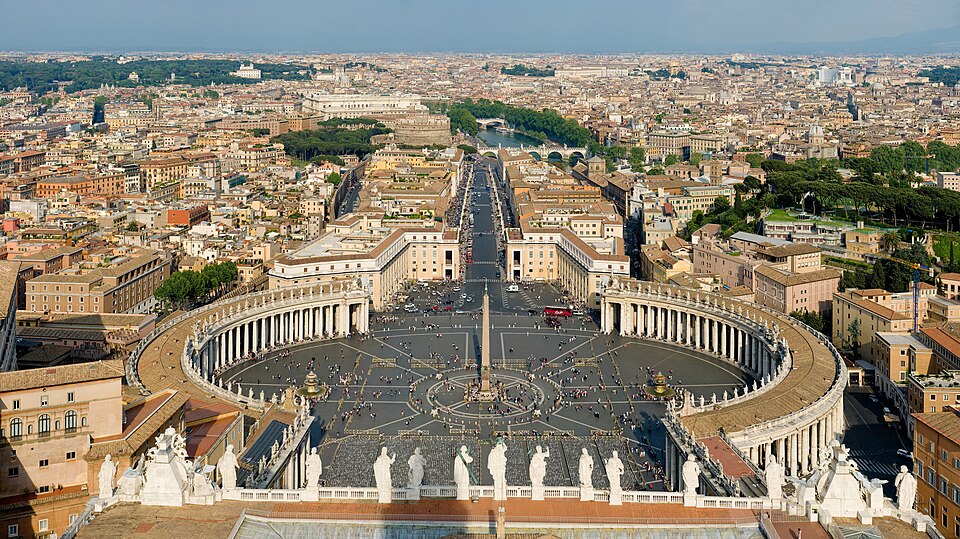
Vatican City is the smallest independent country in the world, occupying a compact area within Rome, Italy. Despite its size, it contains some of Europe’s most important religious and artistic landmarks. St. Peter’s Square serves as the country’s main gathering place, surrounded by grand colonnades and overlooked by St. Peter’s Basilica.
Inside the basilica, visitors can admire elaborate sculptures, historic chapels, and Michelangelo’s famous Pietà. The Vatican Museums house an extensive collection of artwork, including the Raphael Rooms and the Sistine Chapel, where Michelangelo’s ceiling frescoes attract travelers from around the world.
Visitors can also climb to the dome of St. Peter’s Basilica for views across Vatican City and Rome. The country’s remarkable concentration of art, architecture, and religious history makes it an unforgettable destination.
Monaco
Area: Approximately 0.81 square miles
Monaco occupies a narrow stretch of Mediterranean coastline along the French Riviera, where steep hills rise above luxury yachts and colorful waterfront buildings. The country is known for its glamorous atmosphere, but its historic neighborhoods and coastal viewpoints offer plenty of opportunities for sightseeing.
Monaco-Ville, the old town, features narrow streets, traditional restaurants, and the Prince’s Palace, where visitors can watch the changing of the guard. Nearby, Saint Nicholas Cathedral contains the tombs of several members of Monaco’s royal family.
Monte Carlo is home to the famous Casino de Monte-Carlo and elegant gardens surrounding its historic buildings. Visitors can also explore the Oceanographic Museum, which stands above the Mediterranean Sea. The Port Hercule waterfront provides another scenic stop, with views of the harbor and surrounding hillsides.
San Marino
Area: Approximately 24 square miles
San Marino is a small mountainous republic surrounded by Italy, where medieval towers and stone streets overlook the surrounding countryside. Its historic capital rises along the slopes of Mount Titano, creating one of Europe’s most distinctive hilltop settings.
Piazza della Libertà serves as a central gathering place, with the Palazzo Pubblico standing above the square. Visitors can explore the surrounding streets, where traditional shops, restaurants, and viewpoints reveal sweeping views across the Italian landscape.
The Three Towers of San Marino are among the country’s most recognizable landmarks. Guaita and Cesta welcome visitors to explore their historic fortifications, while Montale completes the famous trio along Mount Titano. The walking route between the towers provides beautiful mountain scenery and opportunities to admire the republic’s medieval architecture.
Liechtenstein
Area: Approximately 62 square miles
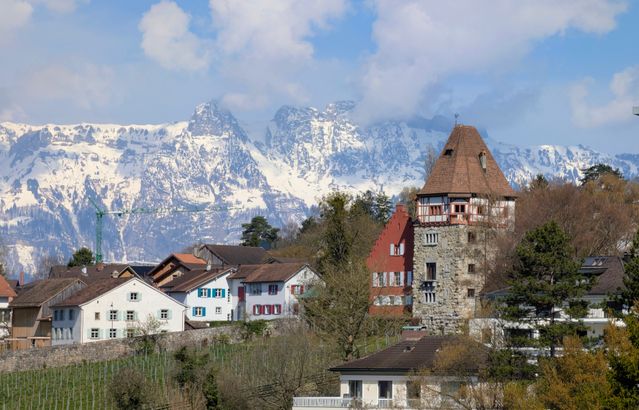
Liechtenstein lies between Switzerland and Austria, with alpine mountains, green valleys, and traditional villages spread across its small territory. The capital, Vaduz, serves as the country’s cultural center, where museums and historic landmarks sit beneath the mountains.
The pedestrian-friendly Städtle district features shops, restaurants, and several notable attractions. The Liechtenstein National Museum introduces visitors to the country’s history and traditions, while the Kunstmuseum Liechtenstein displays modern and contemporary artwork.
Vaduz Castle stands on a hillside overlooking the capital, although it remains a private royal residence and is not open for public tours. Travelers interested in outdoor activities can visit Malbun, a mountain resort known for skiing during winter and hiking in warmer months. The surrounding alpine scenery makes Liechtenstein especially appealing to nature lovers.
Malta
Area: Approximately 122 square miles
Malta is a Mediterranean island country known for its historic cities, limestone buildings, and clear blue waters. Its capital, Valletta, features narrow streets, grand churches, and fortified walls overlooking the surrounding harbors.
Republic Street runs through the historic center, connecting shops, restaurants, and cultural attractions. St. John’s Co-Cathedral is one of the city’s most impressive landmarks, with an elaborate interior and paintings by Caravaggio. Nearby, the Upper Barrakka Gardens provide sweeping views across the Grand Harbour.
Beyond Valletta, the ancient walled city of Mdina offers quiet streets and historic architecture. Visitors can also explore the prehistoric temples of Ħaġar Qim and Mnajdra or take a ferry to Gozo, where coastal cliffs and traditional villages provide a different perspective on the country. Malta combines centuries of history with opportunities for swimming, boating, and coastal sightseeing.
Andorra
Area: Approximately 181 square miles
Andorra sits high in the Pyrenees between France and Spain, where mountain peaks and deep valleys shape the country’s landscape. Its capital, Andorra la Vella, combines modern shopping streets with historic buildings and scenic surroundings.
The old quarter, known as Barri Antic, features stone streets, traditional restaurants, and the Casa de la Vall, a historic building that once housed the country’s parliament. Nearby, the Church of Sant Esteve showcases Romanesque architectural features.
Andorra is especially popular with outdoor enthusiasts. Grandvalira offers extensive skiing and snowboarding opportunities during winter, while warmer months bring hiking and mountain biking throughout the Pyrenees. Visitors can also relax at Caldea, a large thermal spa complex in nearby Escaldes-Engordany. The combination of mountain recreation and cultural landmarks makes Andorra a rewarding destination in every season.
Luxembourg
Area: Approximately 998 square miles
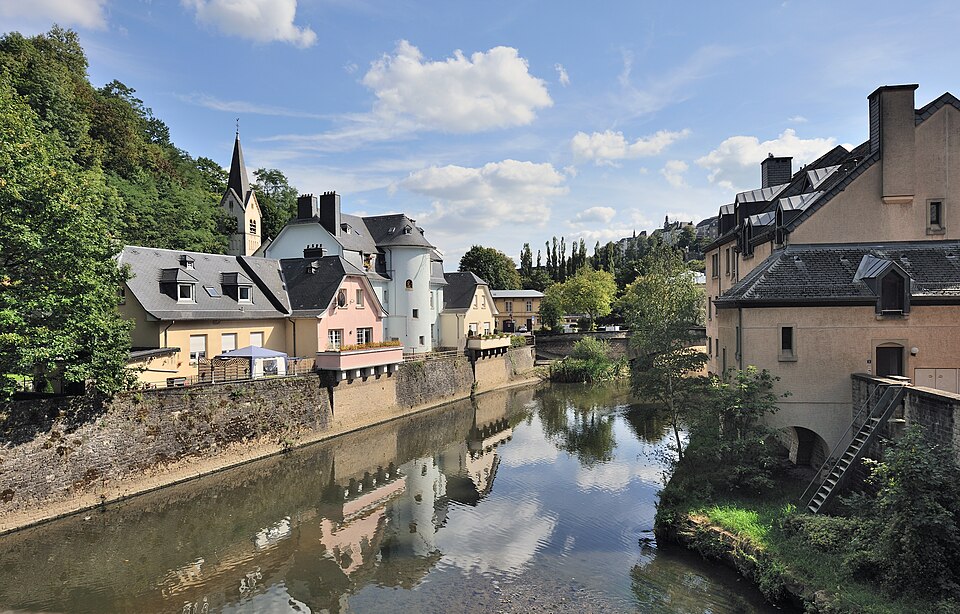
Luxembourg is a small landlocked country bordered by Belgium, France, and Germany. Its capital, Luxembourg City, is known for dramatic river valleys, historic fortifications, and bridges connecting different parts of the city.
Place Guillaume II serves as a central gathering place near the Grand Ducal Palace and the surrounding shopping streets. Visitors can explore the old town before walking along the Chemin de la Corniche, a scenic promenade overlooking the Alzette Valley and the Grund neighborhood.
The Bock Casemates offer a closer look at the city’s historic defensive tunnels. Beyond the capital, Vianden Castle rises above a picturesque town along the Our River, while the Mullerthal region features forest trails, sandstone formations, and waterfalls. Luxembourg’s combination of historic architecture and natural landscapes offers plenty to explore beyond its capital.
Cyprus
Area: Approximately 3,572 square miles
Cyprus is an island country in the eastern Mediterranean, where ancient ruins, mountain villages, and sandy beaches create a varied landscape. Its capital, Nicosia, features historic neighborhoods, traditional markets, and museums that reflect the island’s long cultural history.
Ledra Street serves as a major pedestrian shopping area within the old city, while the Cyprus Museum displays archaeological discoveries from across the island. The city’s Venetian walls remain among its most recognizable historic features.
Along the coast, Paphos attracts visitors with archaeological sites, including the Tombs of the Kings and the mosaics of the Kato Paphos Archaeological Park. Farther inland, the Troodos Mountains offer forest trails, traditional villages, and Byzantine churches. Cyprus also has beautiful beaches around Ayia Napa and Protaras, making it appealing to travelers interested in both history and coastal recreation.
Kosovo
Area: Approximately 4,203 square miles
Kosovo lies in the Balkan Peninsula, where mountain ranges, historic towns, and cultural landmarks create a distinctive travel destination. Kosovo declared independence from Serbia in 2008, although its status remains disputed internationally.
Pristina, the capital, features lively pedestrian streets, cafés, and historic attractions. Mother Teresa Boulevard serves as a central gathering place, while the Kosovo Museum introduces visitors to the region’s history and cultural heritage.
Prizren is one of Kosovo’s most attractive historic towns, with stone bridges, traditional buildings, and the Sinan Pasha Mosque overlooking the old center. Visitors can climb to Prizren Fortress for panoramic views across the town and surrounding mountains.
Outdoor enthusiasts can explore the Rugova Mountains near Peja, where hiking trails, dramatic valleys, and forested landscapes provide opportunities for adventure.
Montenegro
Area: Approximately 5,333 square miles
Montenegro combines Adriatic beaches, medieval towns, and rugged mountains within a relatively small area. Its dramatic coastline is especially popular with travelers, while the interior features national parks and traditional mountain communities.
Kotor is one of the country’s most recognizable destinations, with a walled old town surrounded by steep mountains along the Bay of Kotor. The historic center features narrow stone streets, lively squares, and the Cathedral of Saint Tryphon. Visitors can climb the fortress trail above town for sweeping views across the bay.
Farther along the coast, Budva offers sandy beaches and a historic waterfront district. Inland, Durmitor National Park features glacial lakes, mountain trails, and the dramatic Tara River Canyon. Montenegro’s varied landscapes make it possible to experience coastal scenery and mountain adventures during the same trip.
Discover Europe’s Smallest Countries
Europe’s smallest countries offer an impressive range of experiences, from the artistic treasures of Vatican City to the mountain landscapes of Andorra and Liechtenstein. Monaco and Malta provide Mediterranean scenery, while San Marino and Luxembourg feature historic fortifications and charming old towns. Cyprus, Kosovo, and Montenegro add ancient landmarks, cultural traditions, and outdoor adventures to the list.
Although these countries cover relatively small areas, each has a distinct identity shaped by its geography and history. Exploring them offers an opportunity to discover remarkable places, experience local traditions, and appreciate the diversity found across Europe.

You May Also Like