10 Warmest Places in Europe in January
January is an excellent month to discover Europe’s southern coastlines, volcanic islands, and historic Mediterranean communities. The warmest places in Europe in January enjoy mild daytime temperatures that make outdoor dining, coastal walks, and sightseeing particularly appealing. Visitors can admire the volcanic landscapes of Teide National Park in Tenerife, discover the botanical gardens of Madeira, or spend an afternoon exploring the ancient ruins of Paphos. While the Spanish Canary Islands, geographically part of Africa, experience some of the highest temperatures among European destinations, southern mainland Europe also has plenty of opportunities to enjoy the winter sunshine.
Tenerife, Spain
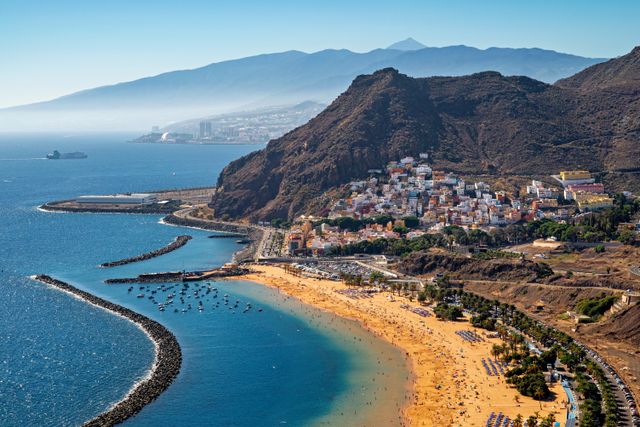
Tenerife, the largest of the Canary Islands, experiences average daytime highs of around 22°C (72°F) in January. The southern coastal communities of Costa Adeje and Los Cristianos are particularly popular among travelers seeking winter sunshine. Playa del Duque has golden sand, clear Atlantic waters, and a waterfront promenade lined with restaurants and cafés.
Beyond the coastline, Teide National Park protects volcanic formations surrounding Mount Teide, Spain’s highest mountain. Although temperatures are considerably cooler at higher elevations, the park is worth visiting for its unusual geological formations. Meanwhile, the capital, Santa Cruz de Tenerife, is home to Parque García Sanabria, an expansive urban garden with fountains, sculptures, and tropical vegetation.
Gran Canaria, Spain
Gran Canaria enjoys average January highs of approximately 21°C (70°F), creating comfortable conditions for outdoor recreation. The southern resort community of Maspalomas is famous for its extensive sand dunes, which form part of a protected nature reserve. Walking trails cross sections of the reserve, connecting visitors with coastal scenery and the historic Maspalomas Lighthouse.
On the northern coast, Las Palmas de Gran Canaria has a pleasant urban beachfront at Playa de Las Canteras. A natural offshore reef shelters parts of the beach, while restaurants along the promenade serve fresh seafood. Farther inland, the historic Vegueta neighborhood contains the Cathedral of Santa Ana and Casa de Colón, a museum dedicated to maritime history.
Lanzarote, Spain
January temperatures in Lanzarote regularly reach around 21°C (70°F), making winter a favorable season for discovering its volcanic terrain. Timanfaya National Park preserves an extraordinary landscape shaped by eruptions during the 18th and 19th centuries. Guided bus tours pass through fields of hardened lava, volcanic craters, and colorful mineral deposits.
Lanzarote also celebrates its natural environment through the architectural works of local artist César Manrique. Jameos del Agua incorporates underground volcanic tunnels into a cultural attraction with a natural lagoon. Along the southern coastline, Playa Blanca has sheltered beaches and a pedestrian waterfront. Nearby Papagayo Beach attracts visitors with its golden sand, rocky headlands, and turquoise waters.
Fuerteventura, Spain
Fuerteventura combines average January highs of 21°C (70°F) with relatively little rainfall. Its extensive sandy beaches and coastal winds make the island especially popular among surfers, windsurfers, and kitesurfers. Corralejo Natural Park, near the island’s northern tip, contains rolling white sand dunes overlooking the Atlantic Ocean.
The harbor in Corralejo serves as a departure point for boat excursions to Lobos Island, where walking trails pass volcanic formations and natural pools. Visitors interested in the island’s cultural heritage can travel inland to Betancuria, its former capital. The village’s centerpiece, the Church of Santa María de Betancuria, stands among traditional white buildings and palm trees.
Madeira, Portugal
Madeira maintains average daytime temperatures of approximately 20°C (68°F) in January, particularly around its coastal capital, Funchal. The island’s mild climate supports an abundance of subtropical plants, many of which grow throughout the Madeira Botanical Garden. Monte Palace Tropical Garden also contains landscaped ponds, exotic vegetation, and decorative Portuguese tiles overlooking the city.
January is a pleasant time to discover Madeira’s network of levadas, traditional irrigation channels accompanied by walking paths. The Levada dos Balcões trail leads through forested terrain to a mountain viewpoint. In central Funchal, the Mercado dos Lavradores introduces visitors to regional produce, fresh flowers, and traditional Madeiran food.
Paphos, Cyprus
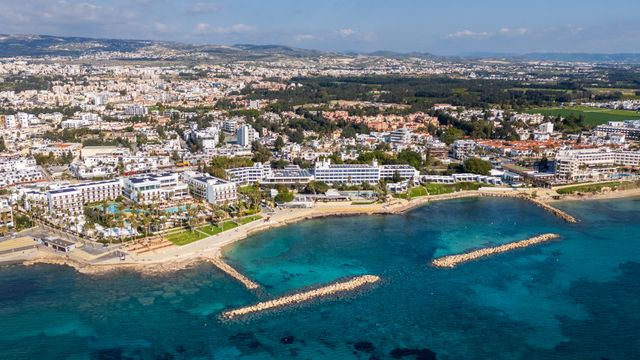
Paphos experiences average January highs of approximately 18°C (64°F), allowing visitors to appreciate its archaeological attractions without intense summer heat. The Kato Paphos Archaeological Park preserves Roman villas containing detailed mosaic floors that depict scenes from Greek mythology. Nearby, the Tombs of the Kings contains underground burial chambers carved into solid rock.
Paphos Harbor serves as a central gathering place, with waterfront restaurants overlooking fishing boats and the medieval Paphos Castle. Outside the city, the Akamas Peninsula contains coastal walking trails, limestone formations, and Mediterranean vegetation. January visitors may also enjoy watching waves roll against the shoreline at Petra tou Romiou, a coastal landmark associated with the mythological goddess Aphrodite.
Alicante, Spain
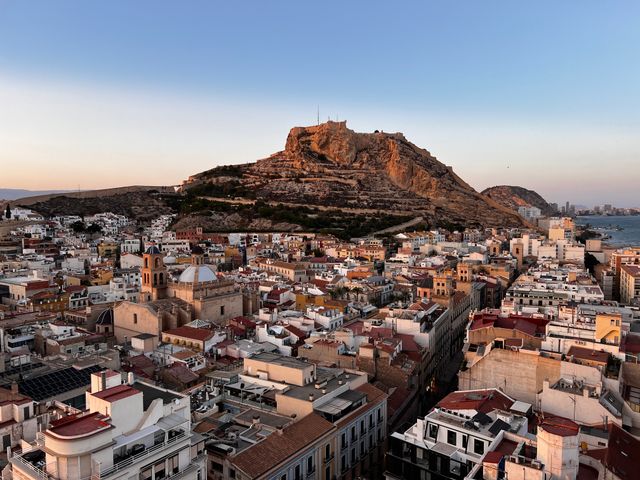
Along Spain’s Costa Blanca, Alicante enjoys average January highs of around 17°C (63°F). The city’s Explanada de España, a palm-lined promenade decorated with colorful mosaic tiles, remains a pleasant place for an afternoon walk. Nearby, Postiguet Beach stretches beneath Mount Benacantil, providing open views across the Mediterranean Sea.
The Castle of Santa Bárbara occupies the summit of Mount Benacantil and contains historic fortifications overlooking Alicante’s harbor. Visitors can also discover the Santa Cruz neighborhood, where narrow streets pass white houses decorated with flowerpots. The Central Market is another worthwhile stop, particularly for sampling regional cheeses, cured meats, olives, and seasonal citrus fruits.
Málaga, Spain
Málaga benefits from its position along the Costa del Sol, where January temperatures average around 17°C (63°F) during the day. The city’s historic center contains several architectural landmarks, including the Alcazaba, a fortified palace with landscaped courtyards and views across the harbor. Beneath the fortress, the Roman Theatre preserves remnants of the city’s ancient past.
The Picasso Museum Málaga displays artwork by Pablo Picasso, who was born in the city in 1881. On sunny afternoons, Málaga Park has shaded pathways beneath palms and other subtropical trees. The nearby Muelle Uno waterfront contains restaurants, shops, and outdoor seating, while La Malagueta Beach is ideal for coastal walks.
Algarve, Portugal
Portugal’s southern Algarve region experiences average January highs of approximately 16°C (61°F). The comfortable winter temperatures suit walking excursions along the region’s dramatic limestone coastline. Near Lagos, Ponta da Piedade has golden cliffs, natural rock arches, and stairways leading toward the Atlantic Ocean.
Faro, the regional capital, contains a historic district enclosed by remnants of medieval defensive walls. The Arco da Vila connects visitors with cobblestone streets surrounding Faro Cathedral. Nature enthusiasts can visit Ria Formosa Natural Park, a protected coastal wetland containing barrier islands, lagoons, and salt marshes. Winter birdwatching excursions introduce visitors to the area’s flamingos and numerous other migratory birds.
Valletta, Malta
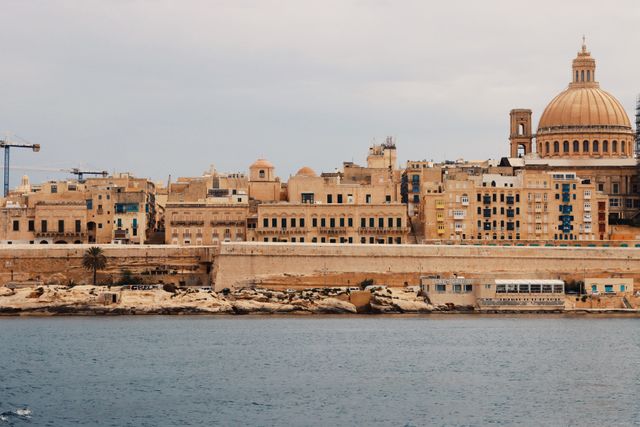
Valletta, the capital of Malta, enjoys average January highs of approximately 16°C (61°F). The city’s compact historic center makes sightseeing on foot particularly convenient during the cooler months. The Upper Barrakka Gardens overlook the Grand Harbour, where boats travel between Valletta and the historic communities across the water.
St. John’s Co-Cathedral contains elaborate Baroque interiors, decorative marble floors, and paintings by Italian artist Caravaggio. Republic Street runs through the capital, connecting historic squares with cafés and museums. Outside Valletta, the ancient fortified city of Mdina provides another rewarding day trip, with limestone buildings, medieval passageways, and panoramic views across the Maltese countryside.
Enjoying Europe’s Winter Sunshine
Europe’s warmest January destinations make winter an enjoyable season for discovering coastal landscapes, historic architecture, and outdoor attractions. Tenerife, Gran Canaria, Lanzarote, and Fuerteventura experience some of the warmest conditions among the destinations discussed, while Madeira appeals to travelers interested in botanical gardens and nature trails. Mediterranean communities such as Alicante, Paphos, and Valletta are particularly suitable for cultural sightseeing. Although temperatures vary and evenings can feel cooler, January presents plenty of opportunities to appreciate these destinations at a comfortable pace, enjoy regional cuisine, and spend time outdoors without the summer heat.


You May Also Like

10 Best European Cities to Visit in December
10 Most Beautiful Winter Villages in Europe