10 Most Beautiful Small Towns in Spain
Spain is home to beautiful small towns where medieval streets, whitewashed houses, and historic landmarks create memorable places to visit. Some overlook the Mediterranean Sea, while others sit beneath mountain peaks or rise above deep river valleys. Ronda attracts travelers with its dramatic gorge and historic bridges, while Cadaqués draws visitors to its whitewashed waterfront and artistic heritage. Albarracín offers a different experience with its winding streets and centuries-old architecture.
These ten small towns showcase Spain’s varied landscapes, regional traditions, and architectural treasures. Each has its own character, whether visitors want to explore a medieval castle, spend an afternoon beside the sea, or discover historic neighborhoods filled with local shops and restaurants.
Ronda, Andalusia
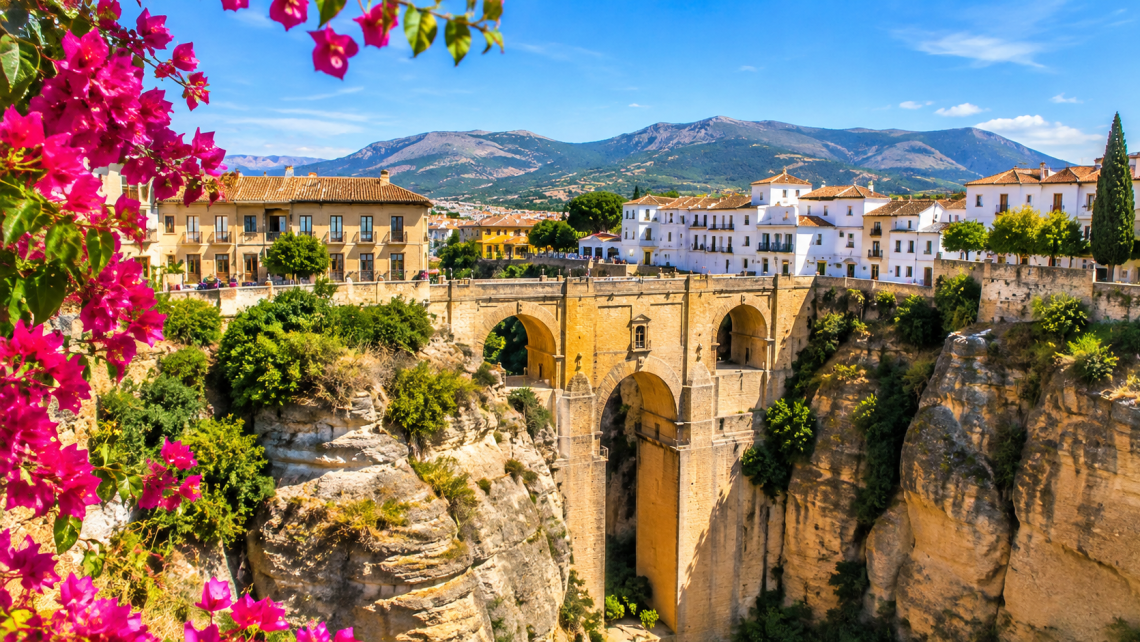
Ronda stands above the dramatic El Tajo Gorge, where steep cliffs and historic architecture create one of Andalusia’s most recognizable landscapes. The Puente Nuevo bridge connects the town’s historic districts while rising nearly 400 feet above the Guadalevín River. Visitors can admire the bridge from several viewpoints or walk through the surrounding streets to discover traditional restaurants, boutiques, and historic buildings.
Plaza de España serves as a central gathering place near the bridge, while the nearby Plaza de Toros de Ronda showcases the town’s bullfighting history through its architecture and museum. Across the gorge, the old town features narrow streets, whitewashed houses, and the Palacio de Mondragón, which houses Ronda’s municipal museum. The Alameda del Tajo park provides another worthwhile stop, with shaded walkways and viewpoints overlooking the surrounding countryside.
Cadaqués, Catalonia
Cadaqués sits along a sheltered Mediterranean bay, where whitewashed buildings and narrow cobblestone streets surround a picturesque waterfront. Fishing boats rest near the shore, while restaurants, galleries, and small boutiques line the streets around the town center. The waterfront promenade provides views of the surrounding hills and rocky coastline, making it a popular place for an afternoon walk.
The Church of Santa María stands above the historic center and rewards visitors with views across the bay. Art lovers can continue to nearby Portlligat, where the Salvador Dalí House-Museum preserves the artist’s former home and studio. Beyond the village, Cap de Creus Natural Park features coastal trails, rocky coves, and dramatic Mediterranean landscapes. The park’s walking routes provide opportunities to discover secluded beaches and enjoy the natural beauty that has inspired generations of artists.
Albarracín, Aragon
Albarracín rises above the Guadalaviar River, with reddish stone buildings and medieval walls climbing the surrounding hillsides. Narrow cobblestone streets wind between traditional houses with wooden balconies, giving the historic center a distinctive appearance. Plaza Mayor serves as the town’s main gathering place, where visitors can admire historic architecture before exploring the surrounding passageways.
The Cathedral of El Salvador features religious artwork and architectural details that reflect the town’s long history. Nearby, the Castle of Albarracín and the remains of the medieval defensive walls provide a closer look at the settlement’s past. Travelers interested in outdoor activities can visit the nearby Pinares de Rodeno Protected Landscape, where sandstone formations, pine forests, and prehistoric rock paintings create an unusual setting for hiking. The combination of medieval architecture and rugged natural surroundings makes Albarracín particularly memorable.
Frigiliana, Andalusia
Frigiliana is known for its whitewashed houses, colorful flowerpots, and steep streets overlooking the Mediterranean coastline. The historic Moorish quarter, known as Barribarto, features winding passageways, tiled decorations, and traditional homes that reflect the village’s Andalusian heritage. Plaza de las Tres Culturas serves as a popular gathering place, with restaurants and cafés nearby.
Visitors can follow the narrow streets uphill to discover viewpoints overlooking the surrounding mountains and distant sea. The Palacio de los Condes de Frigiliana, also called El Ingenio, is another notable landmark associated with the town’s sugarcane industry. Those interested in outdoor recreation can explore the nearby Sierras de Tejeda, Almijara y Alhama Natural Park, where hiking trails pass through wooded valleys and mountain landscapes. Frigiliana’s compact historic center makes it especially enjoyable to explore on foot.
Besalú, Catalonia
Besalú welcomes visitors with a medieval stone bridge that crosses the Fluvià River and leads directly into the historic town center. The bridge’s towers and arches create one of Catalonia’s most recognizable medieval scenes. Beyond the entrance, narrow streets connect stone houses, small shops, and traditional restaurants that preserve the atmosphere of the former medieval settlement.
Plaça de la Llibertat forms the center of town, where historic buildings surround an inviting public square. The nearby Monastery of Sant Pere features Romanesque architecture, while the remains of the Jewish quarter reveal an important part of Besalú’s cultural history. Visitors can also see the medieval mikveh, a Jewish ritual bath that survives from the town’s historic community. Along the river, walking paths provide views of the bridge and surrounding countryside.
Cudillero, Asturias
Cudillero occupies a narrow coastal valley where colorful houses rise above a small fishing harbor. The buildings climb the surrounding hillsides in a semicircle, creating an unusual waterfront setting along Spain’s northern coast. Plaza de la Marina serves as the heart of the village, where seafood restaurants and cafés overlook the harbor and fishing boats.
A network of steep stairways and narrow streets connects the waterfront with viewpoints above the town. The Mirador de la Garita provides sweeping views of the colorful rooftops and Cantabrian Sea. Visitors can also explore the harbor area to watch fishing activity and enjoy traditional Asturian seafood. A short drive leads to Playa del Silencio, a beach surrounded by rocky cliffs and wooded hillsides. Its dramatic coastline makes it a worthwhile addition to a visit to Cudillero.
Peñíscola, Valencian Community
Peñíscola stands on a rocky peninsula overlooking the Mediterranean Sea, where medieval walls surround whitewashed houses and narrow streets. The historic center rises toward Peñíscola Castle, a fortress that once served as the residence of Pope Benedict XIII. Visitors can explore the castle’s courtyards, chambers, and terraces while enjoying views across the coastline.
Plaza de Santa María provides a gathering place within the old town, surrounded by historic buildings and stone passageways. The nearby Casa de las Conchas stands out for its exterior decorated with seashells. Below the historic district, Playa Norte stretches along the coast, offering sandy beaches and views of the castle above the water. The combination of medieval landmarks and Mediterranean beaches makes Peñíscola a rewarding destination for travelers interested in both history and coastal recreation.
Potes, Cantabria
Potes sits at the meeting point of several rivers in the Liébana Valley, surrounded by the mountains of northern Spain. Stone bridges, traditional buildings, and narrow streets give the town a distinctive historic character. The old quarter features restaurants, specialty food shops, and small squares where visitors can experience local Cantabrian traditions.
The Torre del Infantado stands near the center of town and houses exhibitions within a medieval tower. Nearby, the Church of San Vicente and the bridges crossing the Quiviesa River provide additional places to explore. Potes also serves as a gateway to Picos de Europa National Park, where mountain trails and dramatic valleys attract outdoor enthusiasts. A short drive leads to the Monastery of Santo Toribio de Liébana, an important religious landmark surrounded by mountain scenery.
Mojácar, Andalusia
Mojácar rises above the Mediterranean coast, with whitewashed houses covering a hillside beneath the Sierra Cabrera mountains. Its historic center features narrow streets, small plazas, and viewpoints overlooking the surrounding landscape. Plaza Nueva serves as a central gathering place, where visitors can enjoy views across the valley toward the sea.
The Mirador del Castillo provides another scenic stop near the upper part of the village, while the Church of Santa María reflects Mojácar’s historic architecture. Visitors can also stop at the Fuente Mora, a traditional fountain associated with the town’s history. Below the hilltop settlement, Mojácar Playa features beaches, waterfront restaurants, and coastal walking areas. The nearby Cabo de Gata-Níjar Natural Park adds opportunities to discover volcanic landscapes, secluded coves, and Mediterranean wildlife.
Valldemossa, Balearic Islands
Valldemossa rests among the wooded slopes of Mallorca’s Serra de Tramuntana mountains, where honey-colored stone houses and flower-lined streets create an attractive village setting. The historic center features narrow lanes, traditional bakeries, and cafés serving local specialties such as coca de patata, a sweet potato pastry. Plaza de la Cartuja provides a gathering place near the town’s best-known historic landmark.
The Royal Carthusian Monastery of Valldemossa attracts visitors interested in the village’s religious and cultural history. Composer Frédéric Chopin and writer George Sand spent the winter of 1838 to 1839 in Valldemossa, and exhibits at the monastery explore their connection to the town. Nearby, the Jardins del Rei Joan Carles I provide shaded paths and landscaped gardens. Travelers can also visit the Mirador de Sa Foradada, where coastal viewpoints reveal the rugged cliffs and blue waters of Mallorca’s northwestern shoreline.
Discover Spain’s Beautiful Small Towns
Spain’s most beautiful small towns showcase an impressive variety of landscapes, architecture, and regional traditions. Medieval bridges in Besalú, colorful fishing houses in Cudillero, and mountain views in Potes reveal the different experiences waiting beyond the country’s larger cities. Each destination provides opportunities to discover historic landmarks, sample regional foods, and spend time exploring streets that have retained much of their traditional character.
Whether planning a coastal vacation, a mountain retreat, or a road trip through historic villages, these ten towns offer worthwhile stops for travelers who want to experience Spain at a slower pace.

