10 Countries With No Airports
Some of the world’s most interesting destinations do not have airports, making the journey part of the experience. In Europe, Vatican City offers St. Peter’s Basilica and remarkable museums, while Monaco is known for its Mediterranean harbor and historic palace. San Marino has medieval towers overlooking the Italian countryside, and Andorra attracts visitors with mountain villages and scenic hiking trails. Farther away, remote islands such as Pitcairn and Tristan da Cunha can only be reached by sea.
There is one important distinction when exploring countries with no airports. Only five widely recognized sovereign countries have no airports within their borders. To provide ten interesting destinations, this list also includes five territories and islands without airports. Some are easy to visit from neighboring countries, while others require lengthy boat journeys and careful planning.
Vatican City
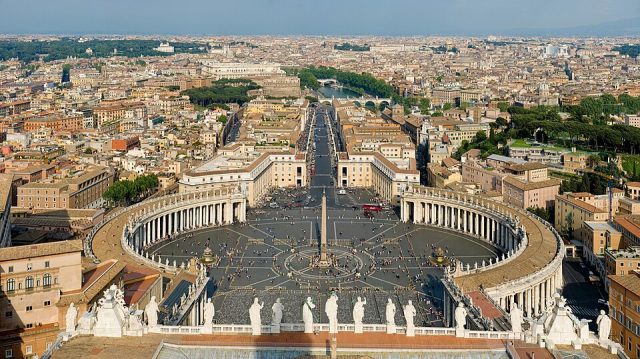
Vatican City is the world’s smallest independent country, located entirely within Rome, Italy. It has no airport, but visitors can easily reach it after flying into Rome Fiumicino Airport or Rome Ciampino Airport. Public transportation, taxis, and walking routes connect the surrounding city with Vatican City.
St. Peter’s Square is the country’s main gathering place, surrounded by grand colonnades and impressive architecture. Visitors can explore St. Peter’s Basilica, admire Michelangelo’s Pietà, and climb to the dome for beautiful views across Rome. The Vatican Museums are another major attraction, with extensive collections of paintings, sculptures, and historic objects. The Sistine Chapel is especially famous for Michelangelo’s ceiling frescoes.
Travelers can also visit the Vatican Gardens through an authorized tour. Although Vatican City covers a small area, its religious landmarks and museums provide enough attractions for a full day of sightseeing.
Monaco
Monaco is a small independent country along the French Riviera, known for its luxury yachts, Mediterranean views, and elegant historic neighborhoods. It has no airport, although Monaco Heliport provides helicopter connections. Most international travelers arrive through Nice Côte d’Azur Airport in France before continuing by train, bus, car, or helicopter.
Monte Carlo is one of Monaco’s most recognizable districts, with the famous Casino de Monte-Carlo surrounded by attractive gardens and grand buildings. Visitors can admire the casino’s architecture and explore the nearby streets. Monaco-Ville, the historic old town, sits on a rocky headland overlooking the Mediterranean. The Prince’s Palace is a major attraction, while Saint Nicholas Cathedral offers another interesting stop.
The Oceanographic Museum of Monaco features marine exhibits and beautiful coastal views. Travelers can also walk around Port Hercule, where restaurants and waterfront paths overlook the harbor. Monaco’s compact size makes it possible to explore several attractions during a day trip.
San Marino
San Marino is a small independent country surrounded by Italy, famous for its medieval towers, hilltop streets, and panoramic countryside views. It has no operational airport, so visitors usually arrive through nearby Italian airports, including those serving Rimini and Bologna.
The historic center of the City of San Marino sits high on Mount Titano. Piazza della Libertà serves as a central gathering place, surrounded by historic buildings and overlooking the surrounding landscape. Visitors can explore the Palazzo Pubblico, the country’s government building, and walk through the narrow stone streets filled with shops and restaurants.
San Marino’s three famous towers, Guaita, Cesta, and Montale, are among its most recognizable landmarks. Guaita and Cesta offer opportunities to explore medieval fortifications and enjoy sweeping views. The Basilica di San Marino is another important attraction, known for its neoclassical architecture. Travelers can also ride the cable car between Borgo Maggiore and the hilltop historic center.
Andorra
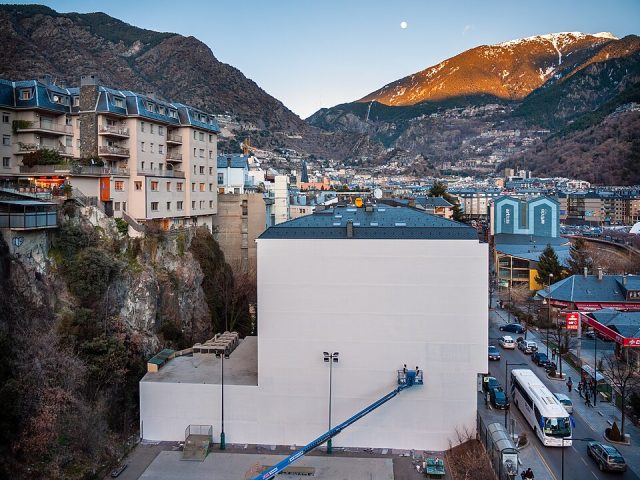
Andorra is a small independent country in the Pyrenees Mountains between France and Spain. It has no airport within its borders, although Andorra–La Seu d’Urgell Airport operates nearby in Spain. Many travelers arrive through Barcelona or Toulouse before continuing by bus or car.
Andorra la Vella, the capital, is the country’s main shopping and cultural center. Its historic Barri Antic neighborhood features narrow streets, stone buildings, and restaurants surrounded by mountain scenery. Visitors can explore Casa de la Vall, a historic building associated with Andorra’s parliament. Plaça del Poble provides another gathering place, with views across the surrounding valley. The nearby Caldea spa complex in Escaldes-Engordany offers thermal pools and relaxation facilities.
Outdoor enthusiasts can visit Grandvalira for skiing during winter or explore hiking trails in the Madriu-Perafita-Claror Valley during warmer months. Andorra is especially attractive for travelers who enjoy combining mountain scenery with historic villages.
Liechtenstein
Liechtenstein is a small Alpine country between Switzerland and Austria, known for its mountain scenery, peaceful villages, and historic castles. It has no airport, so international visitors often fly into Zurich Airport in Switzerland before continuing by train, bus, or car.
Vaduz, the capital, serves as the country’s main cultural center. Its pedestrian-friendly downtown features shops, restaurants, museums, and attractive mountain views. Visitors can explore the Liechtenstein National Museum to learn about the country’s history and traditions. The Kunstmuseum Liechtenstein displays modern and contemporary artwork in a distinctive building.
Vaduz Castle stands above the capital and remains the residence of the princely family. Although visitors cannot normally enter the castle, several nearby viewpoints offer opportunities to admire its exterior. Travelers can also visit Malbun, a mountain village known for hiking trails and winter skiing. The surrounding countryside offers scenic walking and cycling routes through the Rhine Valley.
Tokelau
Tokelau is a remote Pacific territory associated with New Zealand, consisting of three coral atolls: Atafu, Nukunonu, and Fakaofo. It has no airport, and visitors must travel by ship from Samoa. The journey takes more than a day, and transportation operates on limited schedules. Unlike destinations with busy downtown districts, Tokelau’s gathering places are its village centers, churches, and community spaces. These areas provide opportunities to learn about local traditions and everyday island life.
Visitors can explore the settlement on Fakaofo, where buildings sit close together on a narrow coral island. Nukunonu offers beautiful lagoon scenery, while Atafu provides another opportunity to experience the territory’s traditional communities. Swimming, observing seabirds, and learning about local fishing practices are among the activities visitors may enjoy with appropriate local guidance.
Tokelau has very limited tourist facilities, so travelers must arrange permission, accommodations, and transportation before departure. Its remote location makes it one of the world’s more unusual destinations without an airport.
Pitcairn Islands
The Pitcairn Islands are a remote British Overseas Territory in the South Pacific, known for their connection to the famous HMS Bounty mutiny. The territory has no airport, and travelers usually fly to Mangareva in French Polynesia before continuing by ship.
Adamstown is the only permanent settlement on Pitcairn Island. Its small community, historic landmarks, and coastal scenery provide an unusual travel experience far from major tourist destinations. Visitors can explore the Bounty Anchor, a historic artifact associated with the ship, and visit the Pitcairn Island Museum to learn about the island’s past.
Christian’s Cave is another interesting attraction, linked to Fletcher Christian and the island’s early settlement history. Walking trails also lead toward coastal viewpoints overlooking the surrounding Pacific Ocean. Travelers can visit natural swimming areas when conditions are suitable. Because the island has no conventional harbor, arriving passengers generally transfer from their ship by longboat.
Tristan da Cunha

Tristan da Cunha is one of the world’s most isolated inhabited islands, located in the South Atlantic Ocean. It is part of a British Overseas Territory and has no airport. Visitors generally travel by ship from Cape Town, South Africa, with journeys depending on weather and limited sailing schedules.
Edinburgh of the Seven Seas is the island’s main settlement, with small homes, community buildings, and views of the surrounding volcanic landscape. The village serves as the center of daily life for the island’s residents. Visitors can explore the settlement, learn about local history, and visit the island’s small museum. The surrounding countryside offers opportunities for guided walks and photography. Queen Mary’s Peak dominates the island’s landscape, rising above the village. Experienced hikers may be able to arrange guided mountain excursions when conditions allow.
The surrounding waters and nearby islands support seabirds and marine wildlife, making Tristan da Cunha especially interesting for nature enthusiasts. Travel requires advance permission and careful coordination.
Sark
Sark is a small island in the English Channel and part of the Bailiwick of Guernsey, a British Crown Dependency. Although it is not an independent country, it has no airport and is reached by ferry, usually from Guernsey. The island is known for its quiet lanes, beautiful coastal cliffs, and limited motor vehicle traffic. Visitors commonly explore on foot, by bicycle, or through horse-drawn carriage tours.
The Avenue serves as Sark’s main shopping and gathering area, with small shops, cafés, and local businesses. Visitors can explore La Seigneurie Gardens, where landscaped grounds and colorful flowers create a peaceful setting. La Coupée is one of Sark’s most memorable landmarks, a narrow ridge connecting the main island with Little Sark. The surrounding cliffs provide dramatic views across the sea.
Travelers can also walk toward Dixcart Bay, enjoy coastal hiking trails, or visit secluded beaches when tides and weather permit. Sark is especially appealing during spring and summer.
South Georgia
South Georgia is a remote island in the South Atlantic Ocean, administered as part of the British Overseas Territory of South Georgia and the South Sandwich Islands. It is not an independent country and has no airport. Visitors usually arrive aboard specialist expedition ships.
Grytviken is the island’s best-known historic settlement, once an important whaling station. Today, its preserved buildings and museum help visitors understand the island’s maritime history.
Travelers can explore the South Georgia Museum and visit the grave of Antarctic explorer Ernest Shackleton. Nearby King Edward Point serves as the territory’s main administrative center.
Wildlife is one of South Georgia’s greatest attractions. Large colonies of king penguins gather along the coastline, while elephant seals and fur seals can often be observed on beaches.
St. Andrews Bay and Salisbury Plain are famous for their wildlife and dramatic mountain scenery. Access depends on expedition schedules, weather, and environmental protection rules, making guided travel essential.
Discover the World’s Countries Without Airports
Countries and territories without airports offer some memorable travel experiences. Vatican City, Monaco, San Marino, Andorra, and Liechtenstein are relatively easy to reach through neighboring countries. Their historic streets, mountain landscapes, museums, and cultural attractions make them rewarding destinations for short visits or longer vacations.
Remote islands such as Tokelau, Pitcairn, and Tristan da Cunha require considerably more planning, while Sark and South Georgia offer distinctive coastal scenery and unusual wildlife experiences.
Although only five widely recognized sovereign countries have no airports, these ten destinations show that some of the world’s most interesting places can be reached without flying directly into them.

You May Also Like
10 Smallest Countries in Europe
10 Best Things to Do in Iceland for First-Time Visitors