The Oldest Cities in the World
The oldest cities in the world offer a fascinating look at how people lived thousands of years ago. From the ancient ruins of Jericho to the historic streets of Damascus, these destinations have witnessed the rise and fall of civilizations while preserving remarkable traces of their past. Athens is famous for its ancient temples, while Byblos combines archaeological treasures with a Mediterranean harbor. Other cities, including Varanasi and Plovdiv, remain important centers of culture and tradition.
Although archaeologists continue to debate which city is truly the oldest, several have evidence of settlement stretching back thousands of years. These ten cities are among the world’s oldest inhabited places, offering travelers opportunities to explore ancient landmarks, historic neighborhoods, and traditions that have survived for generations.
Jericho, West Bank
Jericho is often described as one of the world’s oldest continuously inhabited cities, with archaeological evidence of settlement dating back approximately 10,000 years. Located in the Jordan Valley, the city contains ancient ruins, religious landmarks, and natural attractions that reveal its long history.
Tell es-Sultan, also known as Ancient Jericho, is the city’s most important archaeological site. Excavations have uncovered remains of early settlement, including a remarkable stone tower and defensive structures. The site became a UNESCO World Heritage Site in 2023.
Modern Jericho has a busy town center with shops, restaurants, and local markets. Visitors can also explore Hisham’s Palace, an early Islamic complex known for its decorative mosaics. Nearby, the Mount of Temptation rises above the valley, with a monastery built along its rocky slopes. Access and travel conditions should be checked before planning a visit.
Damascus, Syria
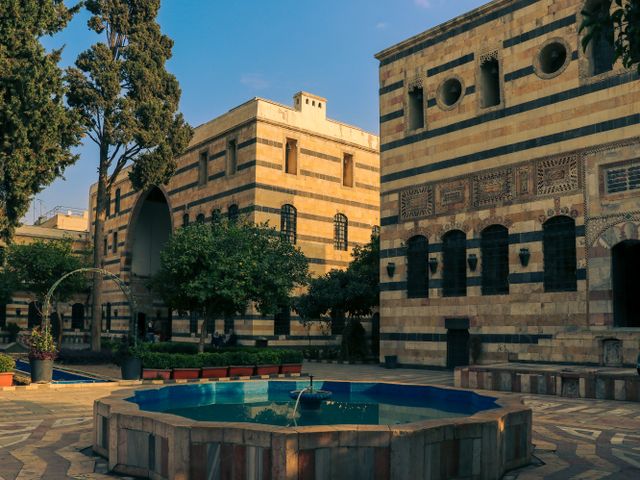
Damascus is among the world’s oldest inhabited cities, with a history extending back several thousand years. The Syrian capital has served as an important center of trade, religion, and culture, leaving behind a remarkable collection of historic buildings and traditional neighborhoods.
The Old City of Damascus is recognized as a UNESCO World Heritage Site and contains narrow streets, traditional markets, and religious landmarks. The Umayyad Mosque stands near the heart of the historic center and is one of the city’s most significant architectural treasures.
Souq Al-Hamidiyah is a famous covered market where merchants have traditionally sold clothing, textiles, and household goods. The Azem Palace offers another look at the city’s historic architecture through its courtyards and decorated rooms. Ongoing security concerns and damage to cultural sites make travel conditions important to consider before visiting.
Byblos, Lebanon
Byblos sits along Lebanon’s Mediterranean coast, where ancient ruins overlook a picturesque harbor filled with fishing boats and waterfront restaurants. Archaeological discoveries indicate that people settled in the area thousands of years ago, making it one of the world’s oldest inhabited cities.
The Byblos Archaeological Site contains remains from several civilizations, including ancient temples, burial grounds, and Roman structures. Byblos Castle, built during the Crusader period, stands within the archaeological area and provides views of the surrounding coastline.
The old souk features stone streets, boutiques, cafés, and traditional restaurants that connect the historic center with the harbor. Visitors can walk along the waterfront or explore the nearby Church of St. John the Baptist, another landmark associated with the city’s long history. Byblos combines archaeological attractions with a coastal setting that remains central to local life.
Aleppo, Syria
Aleppo has a history stretching back thousands of years and was once an important trading center along routes connecting Asia and the Mediterranean. Its historic neighborhoods, markets, and monumental buildings reflect the many civilizations that shaped the city.
The Citadel of Aleppo rises above the old city on a large hill, creating one of Syria’s most recognizable landmarks. The fortress contains gateways, defensive walls, and historic structures that reveal its military importance. The surrounding Old City is also a UNESCO World Heritage Site.
Aleppo’s traditional souks were once famous for their extensive covered passageways and busy commercial activity. Parts of the historic city suffered severe damage during the Syrian conflict, and restoration efforts have continued at several landmarks. Visitors interested in the city’s cultural heritage can also learn about its traditional crafts, cuisine, and historic architecture, although current security conditions and site access require careful consideration.
Athens, Greece
Athens is one of Europe’s oldest cities, with evidence of human settlement extending back thousands of years. The Greek capital is especially famous for its ancient temples, archaeological sites, and neighborhoods that connect classical history with modern city life.
The Acropolis rises above central Athens, where the Parthenon and other ancient structures overlook the surrounding streets. The nearby Acropolis Museum displays sculptures and archaeological discoveries associated with the historic hill.
Plaka, one of the city’s oldest neighborhoods, features narrow streets, traditional restaurants, and shops beneath the Acropolis. Visitors can also explore the Ancient Agora, once an important center of public life, or walk through Monastiraki Square, where markets and historic buildings create a lively gathering place. Athens offers a rare opportunity to experience ancient landmarks within a modern capital.
Plovdiv, Bulgaria
Plovdiv is one of Europe’s oldest inhabited cities, with evidence of settlement dating back to prehistoric times. Located along the Maritsa River, the city combines Roman ruins, colorful historic houses, and lively pedestrian streets that reveal its long cultural history.
The Old Town features cobblestone lanes and traditional Bulgarian Revival houses, many of which now serve as museums and galleries. The Ancient Theatre of Philippopolis is among Plovdiv’s best-known landmarks, with stone seating overlooking the city and surrounding hills.
Kapana, the city’s creative district, offers cafés, art studios, and small shops along narrow streets. Visitors can also explore the Roman Stadium beneath the central shopping area or walk to Nebet Tepe, a hilltop archaeological site with views across Plovdiv. The combination of ancient ruins and active cultural neighborhoods makes the city especially rewarding to explore.
Susa, Iran
Susa, also known as Shush, is one of the world’s oldest urban settlements, with archaeological evidence extending back to the fifth millennium BC. Located in southwestern Iran, the ancient city became an important political and cultural center for several civilizations, including the Elamites and the Achaemenid Persians.
The archaeological site of Susa contains remains of palaces, residential areas, and structures associated with the city’s long history. The Palace of Darius is among its most significant landmarks, reflecting Susa’s importance during the Persian Empire.
Nearby, the Susa Museum displays archaeological discoveries from the surrounding area. The Tomb of Daniel is another prominent local landmark, attracting religious visitors and travelers interested in the city’s traditions. Susa Castle, constructed during archaeological excavations in the 19th century, stands above parts of the ancient site. Current travel advisories should be reviewed before considering a visit to Iran.
Faiyum, Egypt
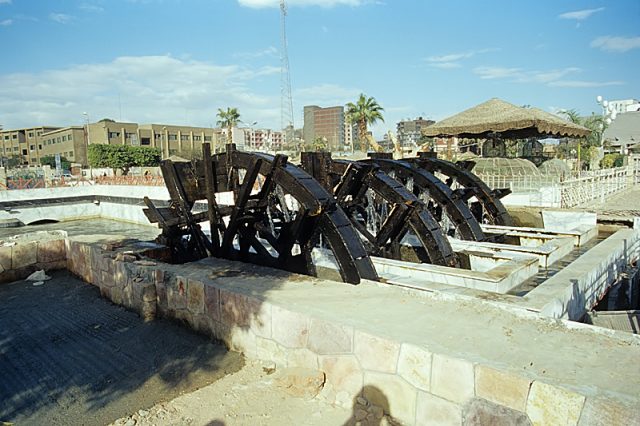
Faiyum is among Egypt’s oldest inhabited urban centers, with roots reaching back thousands of years. Located southwest of Cairo, the city sits near a fertile oasis known for its agricultural landscapes, ancient monuments, and natural attractions.
The city’s central district includes local markets, traditional shops, and the famous waterwheels associated with the region’s irrigation history. Visitors can explore the surrounding streets before traveling to nearby archaeological sites.
The remains of ancient Crocodilopolis, an important religious center dedicated to the crocodile god Sobek, connect modern Faiyum with its ancient past. Outside the city, Lake Qarun provides opportunities to admire the oasis landscape and observe birdlife.
Wadi El Rayan Protected Area is another notable attraction, featuring desert scenery, lakes, and waterfalls. The combination of archaeological sites and natural landscapes makes Faiyum an interesting destination for travelers exploring Egypt beyond its best-known monuments.
Argos, Greece
Argos is one of Greece’s oldest inhabited cities, with a history extending back to prehistoric times. Located in the northeastern Peloponnese, the city contains ancient ruins, historic churches, and public squares surrounded by modern shops and restaurants.
Saint Peter’s Square serves as a central gathering place, with cafés and local businesses creating a lively atmosphere. The nearby Archaeological Museum of Argos houses discoveries associated with the city’s ancient past, although visitors should check its current opening status.
The Ancient Theatre of Argos is one of the area’s most impressive landmarks, with seating carved into the hillside. Above the city, Larisa Castle stands on a rocky hill and offers sweeping views of the surrounding countryside.
Visitors can also explore the ancient Agora and nearby archaeological remains. Argos provides an opportunity to discover important Greek history in a city that receives fewer international travelers than Athens.
Varanasi, India
Varanasi is one of the world’s oldest continuously inhabited cities and remains an important spiritual center along the Ganges River. Its narrow streets, historic temples, and riverside steps reflect religious traditions that have shaped the city for centuries.
Dashashwamedh Ghat is among the most recognizable gathering places along the river, where visitors can observe daily rituals and the evening Ganga Aarti ceremony. Early morning boat rides provide views of the historic waterfront as residents gather beside the water.
The Kashi Vishwanath Temple is one of the city’s most important Hindu religious landmarks. Nearby, the old city’s lanes contain small shops, traditional food stalls, and buildings that reflect Varanasi’s cultural heritage.
Travelers can also visit Sarnath, located a short distance from the city, where Buddhist monuments commemorate the place traditionally associated with Buddha’s first sermon. Varanasi offers a distinctive combination of ancient history and living religious traditions.
Discover the World’s Oldest Cities
The oldest cities in the world reveal how human communities have developed, adapted, and preserved their traditions across thousands of years. Jericho’s prehistoric remains, Damascus’s historic markets, and Athens’s ancient temples offer different perspectives on early urban life. Byblos, Plovdiv, and Susa preserve archaeological evidence of civilizations that shaped trade, architecture, and cultural exchange, while Varanasi remains an important center of religious activity.
Although their exact ages and claims of continuous habitation are sometimes debated, these cities share an extraordinary connection to the past. Their archaeological sites, historic neighborhoods, and cultural landmarks provide opportunities to discover how ancient settlements have influenced the modern world.


You May Also Like