10 Storybook Villages in the Netherlands
The Netherlands is home to charming villages where narrow canals, traditional windmills, and centuries-old houses create scenes that seem to belong in a storybook. Giethoorn is known for its peaceful waterways and thatched-roof cottages, while Zaanse Schans features historic windmills beside the Zaan River. Farther south, Thorn stands out for its whitewashed buildings and quiet cobblestone streets. From fishing harbors along the coast to medieval villages surrounded by countryside, these destinations showcase the country’s traditional architecture and local character.
Whether you enjoy exploring historic streets, taking scenic boat rides, or visiting local museums, these ten storybook villages in the Netherlands offer plenty of opportunities to discover a quieter side of Dutch life.
Giethoorn, Overijssel
Giethoorn is one of the Netherlands’ most recognizable villages, where narrow canals wind between thatched-roof cottages, wooden bridges, and carefully maintained gardens. The historic village center has few roads, making boats and walking paths popular ways to explore.
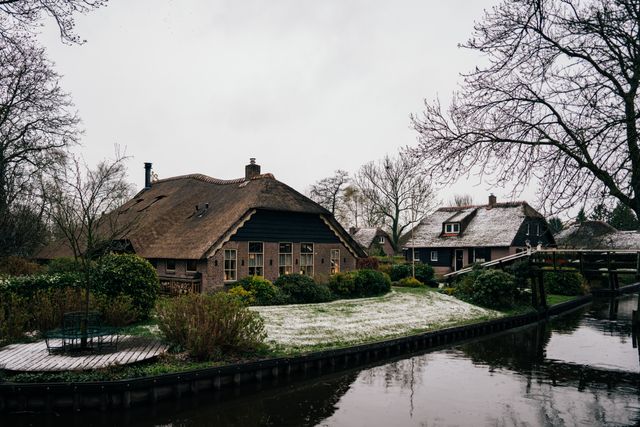
Visitors can rent an electric boat or join a guided canal cruise to admire the traditional homes and peaceful waterways.
The Binnenpad walking route passes some of Giethoorn’s most attractive bridges and waterfront properties. Along the way, small restaurants and cafés provide places to relax beside the canals. Museum Giethoorn ‘t Olde Maat Uus introduces travelers to the village’s history through traditional buildings and household exhibits.
Nearby, Weerribben-Wieden National Park features lakes, wetlands, and reed beds that provide opportunities for kayaking, cycling, and wildlife watching. The surrounding landscape adds to Giethoorn’s appeal beyond its famous canals.
Zaanse Schans, North Holland
Zaanse Schans brings traditional Dutch scenery to life with working windmills, green wooden houses, and historic workshops overlooking the Zaan River. The heritage neighborhood near Zaandam preserves buildings and industries associated with the region’s past, making it one of the country’s most distinctive places to explore.
Walking paths connect the windmills with small museums, craft demonstrations, and traditional shops. Visitors can explore the interior of selected windmills to learn how they process materials such as oil, pigments, and timber. The nearby wooden shoe workshop demonstrates the process of making traditional Dutch clogs.
The Zaans Museum provides a broader look at the region’s industrial history and local traditions. Along the waterfront, views of the windmills reflected in the river create some of the area’s most memorable scenes. Zaanse Schans is a historic neighborhood rather than a separate village, but its traditional setting makes it a natural addition to this list.
Volendam, North Holland
Volendam is a traditional fishing village along the Markermeer, known for its colorful waterfront buildings, fishing boats, and lively harbor. The historic Dijk promenade forms the center of village activity, with seafood restaurants, souvenir shops, and cafés overlooking the water.
Visitors can walk along the harbor to admire traditional boats and enjoy views across the lake. The Volendams Museum introduces travelers to local history, fishing traditions, and the distinctive clothing once worn by residents. Several photography studios also offer opportunities to learn about the village’s traditional costumes.
The nearby Palingsound Museum explores Volendam’s musical heritage, while boat services connect the village with Marken during their operating season. The combination of waterfront scenery, local traditions, and historic architecture gives Volendam a character that remains closely connected to its fishing past.
Marken, North Holland
Marken occupies a former island in the Markermeer, where narrow streets, wooden houses, and a small harbor preserve the atmosphere of a traditional Dutch fishing community. Although a causeway now connects Marken to the mainland, the village retains its distinctive layout and historic character.
The harbor serves as a popular gathering place, surrounded by restaurants and traditional green wooden buildings. Walking through the nearby streets reveals houses raised on mounds or supported by wooden structures, reflecting the community’s long relationship with the surrounding water.
The Marker Museum displays traditional clothing, household items, and exhibits about village life. Visitors can also follow walking paths toward the Paard van Marken lighthouse, which stands along the shoreline with views across the Markermeer. Marken’s quiet residential lanes and waterfront setting make it particularly enjoyable to explore on foot.
Thorn, Limburg
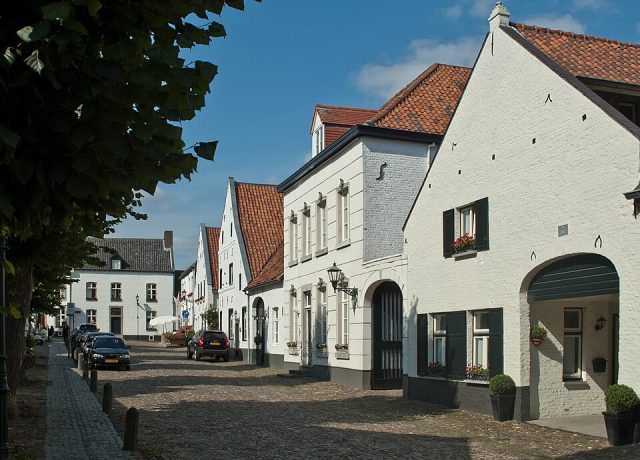
Thorn stands out for its whitewashed buildings, cobblestone streets, and historic churches in the southern Netherlands. Known as the White Village, Thorn has a distinctive appearance shaped by its religious history and carefully preserved architecture. The compact historic center features small shops, restaurants, and inviting streets lined with white houses.
The Abbey Church of Thorn rises above the village center and contains artwork and architectural details associated with the former religious community. Nearby, Museum Thorn explores the area’s history through exhibits about its residents, traditions, and historic buildings.
Visitors can walk through the surrounding streets to discover small courtyards and traditional homes before stopping at one of the village cafés. A short distance away, the Maasplassen lake district provides opportunities for boating, cycling, and waterfront recreation. Thorn combines historic charm with easy access to the countryside.
Bourtange, Groningen
Bourtange is a fortified village near the German border, where canals, earthen walls, and historic buildings form a distinctive star-shaped settlement. The village’s defensive layout dates to the 16th century, and restoration work has preserved its appearance as a historic fortress.
The central Markt square serves as the heart of Bourtange, surrounded by traditional buildings, small shops, and restaurants. Visitors can explore the cobblestone streets before walking along the defensive walls to admire the surrounding moats and countryside.
Museum Vesting Bourtange introduces travelers to the fortress’s military history through exhibits and preserved structures. Historic cannons, guardhouses, and reconstructed defensive features provide a closer look at life inside the settlement. Seasonal demonstrations and special events add another dimension to the experience. The village’s unusual layout makes it one of the Netherlands’ most interesting historic destinations.
Broek in Waterland, North Holland
Broek in Waterland is a peaceful village north of Amsterdam, where pastel-colored wooden houses, narrow waterways, and historic streets create a traditional Dutch setting. The village developed as a prosperous community, and many of its carefully maintained homes reflect that history.
The village center surrounds the historic church and nearby streets, where visitors can admire wooden façades, small bridges, and gardens beside the canals. The Church of Broek in Waterland is a notable landmark, while the surrounding lanes provide opportunities for a relaxed walk through the village.
The nearby Waterland countryside features open fields, waterways, and cycling routes connecting several traditional communities. Travelers can follow these routes toward Monnickendam or explore the surrounding landscape on foot. Broek in Waterland offers a quieter experience than some of the country’s better-known destinations, with much of its appeal found in its historic residential streets.
De Rijp, North Holland
De Rijp is a historic village surrounded by the flat countryside of North Holland, where narrow streets and traditional buildings reflect its prosperous maritime past. The village developed through fishing and trade, leaving behind distinctive architecture that visitors can still admire.
The historic center features the Waag, a former weighing house, and the impressive Grote Kerk, known for its stained-glass windows. Small shops, restaurants, and cafés occupy buildings along the village streets, creating an inviting setting for a leisurely walk.
Museum In ‘t Houten Huis explores the area’s history, including its connections to fishing, trade, and local industries. Beyond the village, the Beemster Polder offers cycling routes through a landscape recognized by UNESCO for its historic land reclamation design. De Rijp’s preserved buildings and surrounding countryside make it an appealing stop for travelers interested in traditional Dutch villages.
Orvelte, Drenthe
Orvelte is a historic village in the province of Drenthe, where traditional farmhouses, cobblestone paths, and open green spaces preserve the atmosphere of rural Dutch life. Many buildings feature thatched roofs and brick walls, giving the village a distinctive appearance that reflects its agricultural heritage.
The village center includes traditional shops, craft workshops, and small restaurants housed in historic buildings. Visitors can watch demonstrations of traditional skills, browse handmade products, and learn about farming practices that shaped the surrounding region.
Orvelte is often described as a living museum because its historic buildings remain part of an active community. Nearby walking and cycling routes lead through fields, woodlands, and quiet countryside. The surrounding landscape provides opportunities to explore the rural character of Drenthe while enjoying one of the country’s most carefully preserved traditional villages.
Sloten, Friesland
Sloten is one of Friesland’s historic Eleven Cities, although its small size and peaceful streets give it the atmosphere of a traditional village. Canals, old merchant houses, and defensive features surround a compact center that is easy to explore on foot.
The central canal runs through the settlement, connecting historic buildings, small shops, and waterfront restaurants. Visitors can admire the old water gates and the De Kaai windmill, which stands near the edge of town.
Museum Sloten introduces travelers to local history and the community’s role in Friesland’s trading network. Walking routes around the historic defenses provide views of the surrounding waterways and countryside. Sloten also offers access to nearby Frisian lakes, where boating and cycling are popular during warmer months. Its quiet streets and traditional architecture make it a rewarding destination for travelers exploring northern Netherlands.
Discover the Storybook Charm of the Netherlands
The Netherlands’ storybook villages reveal a variety of landscapes, historic buildings, and local traditions beyond the country’s larger cities. Giethoorn’s canals, Bourtange’s fortified walls, and Thorn’s whitewashed streets provide very different experiences, while Volendam and Marken showcase the country’s fishing heritage. Each destination offers opportunities to explore historic neighborhoods, visit small museums, and appreciate the architecture that gives these communities their distinctive character.
Whether planning a countryside road trip, a cycling adventure, or a series of day trips, these ten destinations provide memorable places to discover Dutch history and scenery at a relaxed pace.


You May Also Like