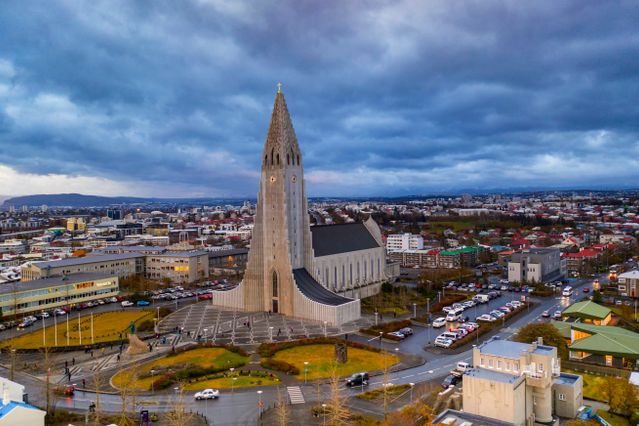
10 Best Places to See the Northern Lights in Europe
Europe offers some remarkable places to see the northern lights, from Norway’s Arctic fjords to Finland’s snow-covered forests and Iceland’s volcanic landscapes. Tromsø is a popular destination for aurora hunting, while Abisko National Park in Sweden attracts travelers with its relatively clear skies. Farther north, the Lofoten Islands combine colorful fishing villages with dramatic mountains, creating an unforgettable setting when the aurora appears. These destinations offer more than beautiful night skies, with opportunities to explore Arctic towns, enjoy winter activities, and experience local traditions.
The best places to see the northern lights in Europe generally lie near or above the Arctic Circle, where long winter nights provide excellent viewing opportunities. Although sightings depend on solar activity, cloud cover, and darkness, these ten destinations offer rewarding experiences for travelers planning an aurora adventure.
Tromsø, Norway
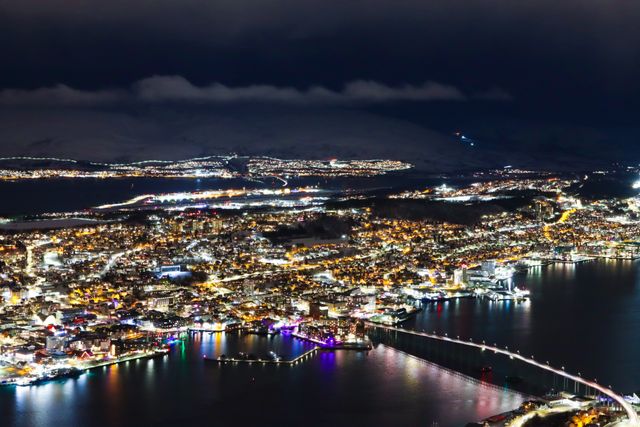
Tromsø is one of Europe’s most popular northern lights destinations, located in northern Norway within the auroral zone. The city combines Arctic scenery with restaurants, museums, and outdoor activities, making it an excellent base for winter travelers.
Storgata serves as the main shopping street, where cafés, local shops, and historic buildings create a lively downtown atmosphere. Visitors can explore the Arctic Cathedral, known for its distinctive triangular architecture, or visit the Polar Museum to learn about Norway’s Arctic exploration history.
The Fjellheisen cable car provides sweeping views of Tromsø and the surrounding mountains. Travelers can also join guided northern lights excursions that travel beyond the city to find clearer skies. During the day, whale-watching tours operate seasonally, while dog sledding and reindeer experiences provide additional Arctic adventures.
Abisko, Sweden
Abisko is a small village in Swedish Lapland, surrounded by mountains and protected wilderness near Lake Torneträsk. Its location beneath the auroral oval and relatively favorable weather patterns make it one of Europe’s best-known northern lights viewing destinations.
Abisko National Park features mountain trails, frozen waterways, and wide-open landscapes that provide excellent opportunities for winter photography. The park’s Aurora Sky Station, located on Mount Nuolja, is a popular viewing location when weather and operating conditions allow.
Visitors can explore the nearby Abiskojåkka Canyon, where rushing water and rocky cliffs create dramatic scenery. Cross-country skiing and snowshoeing are popular winter activities, while the Kungsleden hiking trail passes through the area. The village’s limited artificial lighting makes it easier to enjoy dark skies, although cloud cover and aurora activity still determine whether the lights appear.
Rovaniemi, Finland
Rovaniemi sits near the Arctic Circle in Finnish Lapland, where snowy forests and frozen rivers create a beautiful setting for northern lights viewing. The city offers a wide range of winter activities, making it especially appealing to families and first-time visitors to the Arctic.
Lordi’s Square serves as a central gathering place, surrounded by restaurants, shops, and seasonal decorations. Nearby, the Arktikum museum introduces travelers to Arctic culture, history, and natural environments.
Santa Claus Village is one of Rovaniemi’s most recognizable attractions, where visitors can cross the Arctic Circle and explore Christmas-themed shops. Travelers can also join reindeer sleigh rides, husky excursions, and guided snowmobile tours. For northern lights viewing, organized excursions travel beyond the city lights into surrounding forests and open landscapes. Clear skies and strong auroral activity provide the best chances of seeing the display.
Reykjavík, Iceland
Reykjavík is a convenient starting point for exploring Iceland’s northern lights, combining cultural attractions with access to dark coastal and countryside locations. Although city lights can make aurora viewing more difficult, travelers can reach darker areas within a short drive.
Laugavegur is the city’s main shopping street, featuring boutiques, cafés, and restaurants. Hallgrímskirkja stands above the city center and offers panoramic views from its tower. Visitors can also explore Harpa Concert Hall, known for its distinctive glass architecture overlooking the harbor.
For northern lights viewing, travelers often visit Grótta Lighthouse on the Seltjarnarnes Peninsula or join guided tours into the surrounding countryside. During the day, the nearby Golden Circle route includes Þingvellir National Park, Gullfoss waterfall, and the Geysir geothermal area. Reykjavík provides an appealing combination of city attractions and natural wonders.
Alta, Norway
Alta lies in northern Norway, where wide valleys, mountains, and relatively dry inland conditions make it a popular destination for northern lights viewing. The city has a long connection to aurora research and is sometimes called the City of the Northern Lights.
The central shopping district features restaurants, cafés, and local businesses, while the Northern Lights Cathedral stands out for its modern architecture. The Alta Museum introduces visitors to the area’s prehistoric rock carvings, which form part of a UNESCO World Heritage Site.
Travelers can explore the surrounding countryside on guided aurora excursions or visit the nearby Sorrisniva Igloo Hotel during its winter operating season. Dog sledding, snowmobiling, and snowshoeing provide additional ways to experience the Arctic landscape. The surrounding valleys offer several locations away from artificial lighting, although clear weather remains essential for successful viewing.
Lofoten Islands, Norway
The Lofoten Islands offer one of Europe’s most dramatic settings for northern lights photography, with steep mountains rising above fishing villages and sheltered fjords. The islands lie within the auroral zone, allowing travelers to see the lights when skies are clear and conditions are favorable.
Reine is one of the archipelago’s most recognizable villages, known for its red fishing cabins and mountain backdrop. Nearby, Hamnøy provides beautiful waterfront views, while Henningsvær features galleries, cafés, and traditional fishing buildings.
Visitors can explore the Lofotr Viking Museum in Borg to learn about the region’s Viking history. Scenic drives along the E10 highway reveal beaches, coastal viewpoints, and small communities throughout the islands. For aurora viewing, beaches such as Uttakleiv and Haukland offer open views of the night sky. Coastal weather can change quickly, so flexible travel plans are especially helpful.
Saariselkä, Finland
Saariselkä is a small resort village in Finnish Lapland, surrounded by forests, fells, and open Arctic landscapes. Its northern location and limited light pollution make it a popular base for travelers hoping to see the aurora borealis.
The village center features hotels, restaurants, and shops catering to winter visitors. Nearby, the Saariselkä Ski Resort offers downhill skiing and snowboarding, while cross-country trails extend through the surrounding wilderness.
Urho Kekkonen National Park provides opportunities for snowshoeing, winter hiking, and guided wilderness excursions. Visitors can also explore the Kaunispää fell, which offers panoramic views across the landscape and serves as a popular northern lights viewing location.
Some accommodations in the region feature glass-roofed cabins designed for watching the night sky. However, aurora sightings remain dependent on weather and solar activity, regardless of the accommodation.
Kiruna, Sweden
Kiruna is Sweden’s northernmost city, located in Lapland near extensive forests, mountains, and Arctic wilderness. Its location within the auroral zone makes it an appealing destination for northern lights viewing, especially during the long winter nights.
The city center has undergone major redevelopment because of the nearby iron ore mine. Visitors can explore the new central district, where shops, restaurants, and public spaces reflect Kiruna’s changing landscape. The relocated Kiruna Church is another notable landmark associated with the city’s history.
A short drive leads to Jukkasjärvi, home to the famous ICEHOTEL, where rooms and artwork are created using ice and snow. Travelers can also join dog sledding excursions, snowmobile tours, and guided aurora trips into the surrounding wilderness. Kiruna’s location provides access to several remote viewing areas with limited artificial lighting.
Akureyri, Iceland
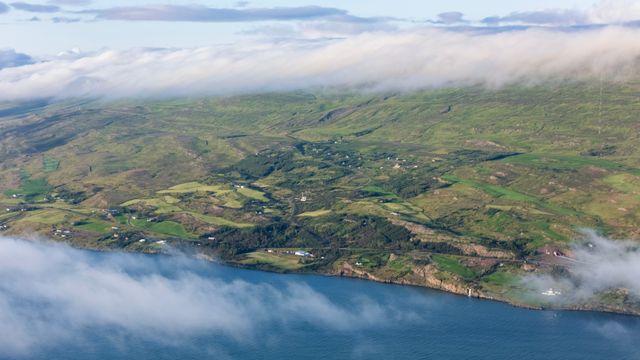
Akureyri sits along Eyjafjörður in northern Iceland, surrounded by mountains and coastal scenery. Its northern location and access to nearby countryside make it a rewarding base for travelers hoping to see the northern lights.
The compact downtown features restaurants, cafés, and shops along Hafnarstræti, the city’s main shopping street. Akureyrarkirkja, a prominent church overlooking the center, is one of the town’s best-known landmarks.
Visitors can explore the Akureyri Botanical Garden or visit the nearby Forest Lagoon geothermal spa, where warm pools overlook the surrounding landscape. A short drive leads to Goðafoss waterfall, one of northern Iceland’s most recognizable natural attractions.
For aurora viewing, travelers can join guided excursions into the countryside or seek darker locations beyond the city. Winter road conditions can be challenging, making organized tours a practical choice for visitors unfamiliar with the region.
Svalbard, Norway
Svalbard is a remote Arctic archipelago north of mainland Norway, where polar landscapes and long winter darkness create unusual opportunities to see the northern lights. During the polar night, the sun remains below the horizon, allowing aurora displays to become visible even during daytime hours when conditions are suitable.
Longyearbyen serves as the main settlement, with restaurants, shops, and cultural attractions surrounded by rugged mountains. Visitors can explore the Svalbard Museum to learn about the archipelago’s wildlife, exploration history, and local communities.
The Svalbard Global Seed Vault is another well-known landmark, although it is not open for public tours. Guided snowmobile excursions, dog sledding, and wilderness trips provide opportunities to explore the surrounding landscape.
Because polar bears inhabit the region, travelers should use experienced guides when venturing beyond settled areas. Svalbard’s remote location also makes it one of the more expensive destinations on this list.
Experience the Northern Lights in Europe
The best places to see the northern lights in Europe combine dark winter skies with beautiful Arctic landscapes and memorable outdoor activities. Tromsø and Alta offer guided aurora excursions, while Abisko and Kiruna provide access to the wilderness of Swedish Lapland. Iceland’s Reykjavík and Akureyri combine northern lights viewing with waterfalls and geothermal attractions, while the Lofoten Islands offer dramatic coastal scenery.
For the best chances of seeing the aurora, plan a trip between September and March, allow several nights for viewing, and monitor local weather forecasts. Although no destination can guarantee a sighting, these ten locations offer excellent opportunities to experience one of nature’s most remarkable displays.

You May Also Like

12 Bucket List Travel Destinations You’ll Never Forget

Why Solo Travel Forces You to Become Who You’re Meant to Be
